
I.115 The Environmental Continuum of Genocide in Namibia

- Date of Incident
- 1884 – Ongoing
- Location
- Namibia
- Forums
- Exhibition, Human Rights Report, Media
- In Partnership With
- Nama Traditional Leaders Association (NTLA), Ovaherero Traditional Authority (OTA)
- Summary
- The disappearance of Namibia’s grasslands is not a natural occurrence but rather can be traced back to German settler colonial practices following their genocidal campaign against the Nama and Ovaherero in the early 20th c. FA/Forensis worked with descendants of survivors to digitally reconstruct their ancestral lands, quantify environmental degradation, and trace colonialism’s enduring impact.
I.107 German Colonial Genocide in Namibia: Swakopmund
- Date of Incident
- 1904 – 1908
- Location
- Swakopmund, Namibia
- Forums
- Exhibition, Media
- In Partnership With
- Nama Traditional Leaders Association (NTLA), Ovaherero Traditional Authority (OTA)
- Summary
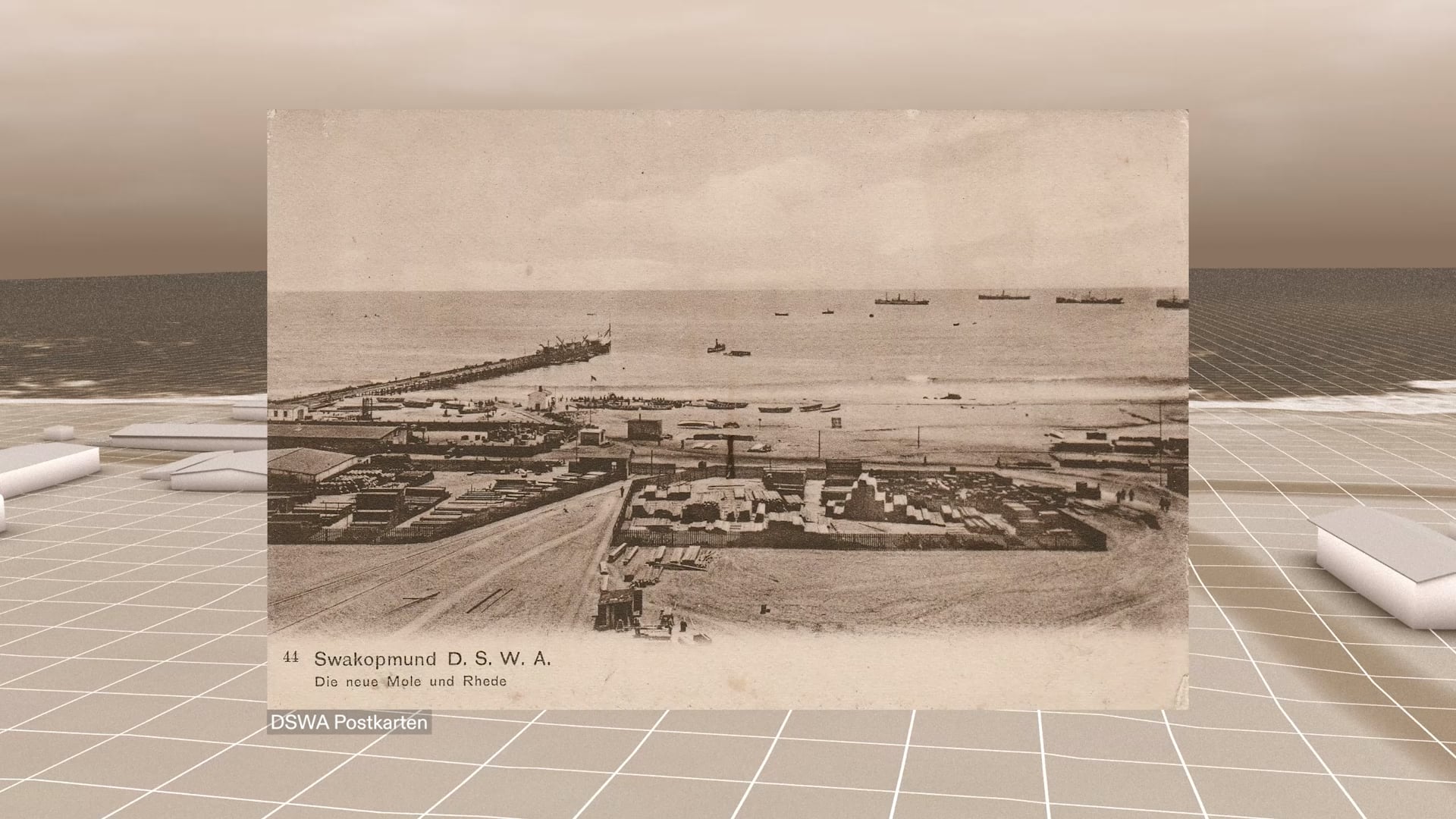
- During their genocidal campaign against the indigenous Ovaherero and Nama, German colonial troops established concentration camps across today’s Namibia. The largest was in the port town of Swakopmund, a logistics hub built by forced labour. Working with local activists, we reconstructed the town as it was at that time, revealing the location of Swakopmund's concentration camp for the first time.
I.105 German Colonial Genocide in Namibia: Shark Island
- Date of Incident
- 1905 – 1908
- Location
- Lüderitz, ǃNamiǂNûs, ǁKharas region, Namibia
- Forums
- Exhibition, Human Rights Report, Media
- In Partnership With
- Ovaherero Traditional Authority (OTA), Nama Traditional Leaders Association (NTLA)
- Summary
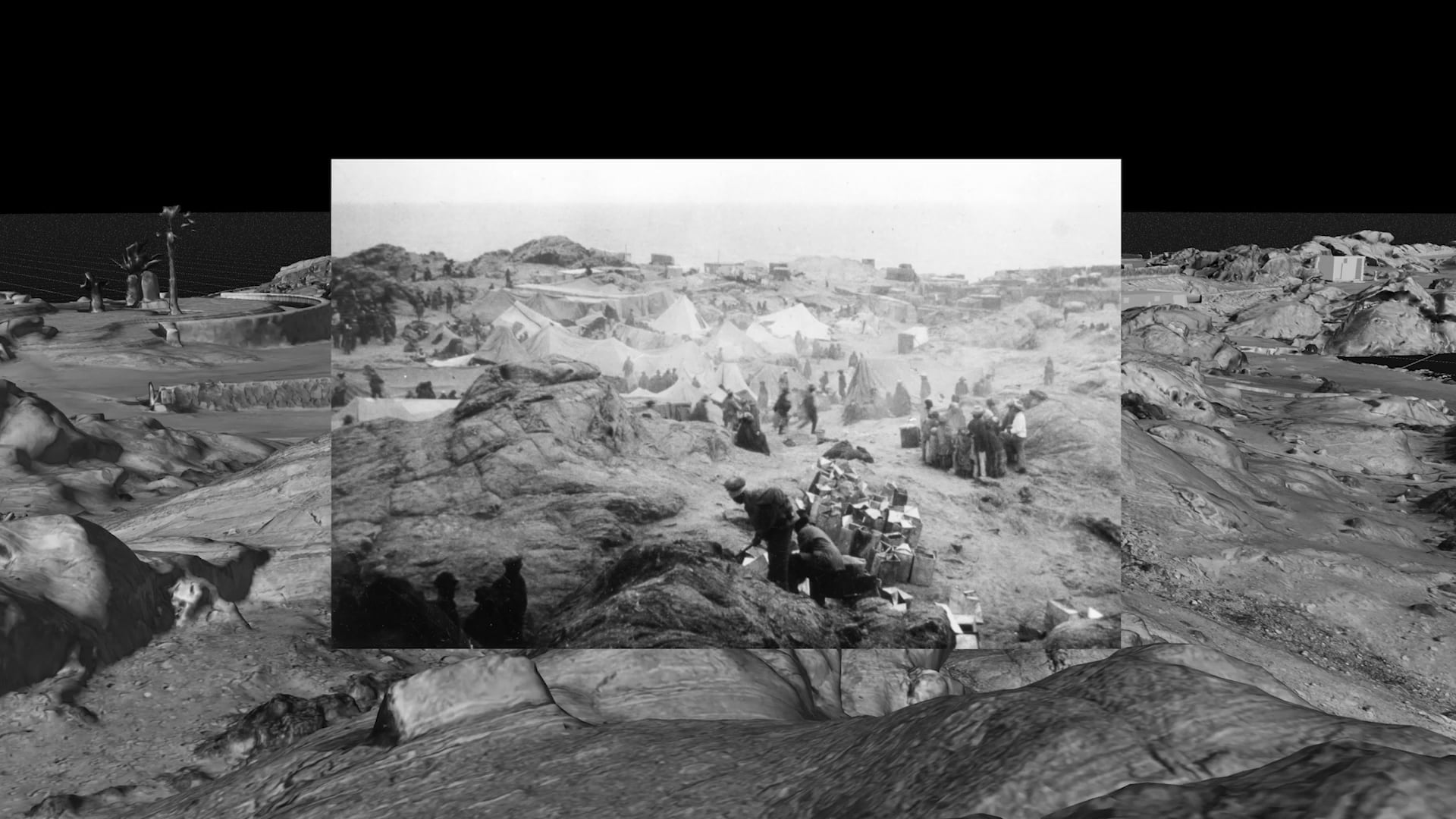
- During their genocidal campaign against the Ovaherero and Nama between 1904 and 1908, German colonial troops established five concentration camps across German Southwest Africa. Shark Island, also known as ‘Death Island’, was the most notorious. FA and Forensis worked with descendants of the camp’s victims and survivors to reconstruct this space of trauma, which today faces new threats of erasure.
I.102 German Colonial Genocide in Namibia: The Hornkranz Massacre
- Date of Incident
- 12 April 1893
- Location
- Hornkranz, Khomas Region, Namibia
- Forums
- Exhibition, Human Rights Report, Media
- In Partnership With
- Nama Traditional Leaders Association (NTLA), Ovaherero Traditional Authority (OTA), Forensis
- Summary
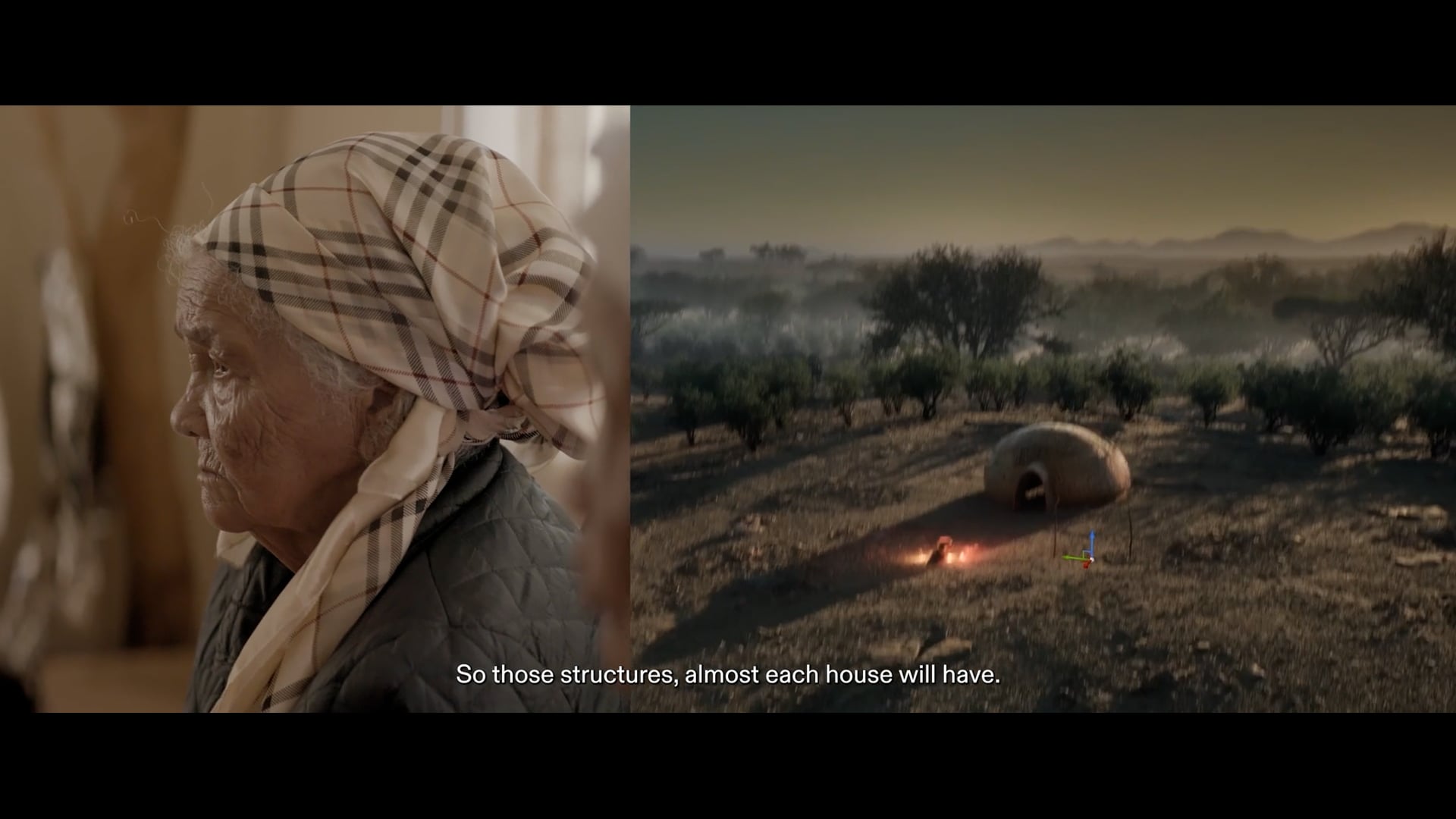
- On 12 April 1893, German troops attacked the Nama settlement of ||Nâ‡gâs, also known as Hornkranz, located in present-day Namibia. This was the little-known first chapter in a genocidal campaign against the Nama and Ovaherero that culminated between 1904 and 1908. We worked with descendants to reconstruct the lost settlement and support Nama claims for access to and preservation of the site.
SP.88 Restituting Evidence: Genocide and Reparations in German Colonial Namibia · Supported Project ↗
- Date of Incident
- 1904 – 1908
- Location
- Otjozondjupa, Omaheke, and Khomas, Namibia
- Forums
- Media
- In Partnership With
- The Ovaherero/Ovambanderu Genocide Foundation (OGF), Forensis
- Summary
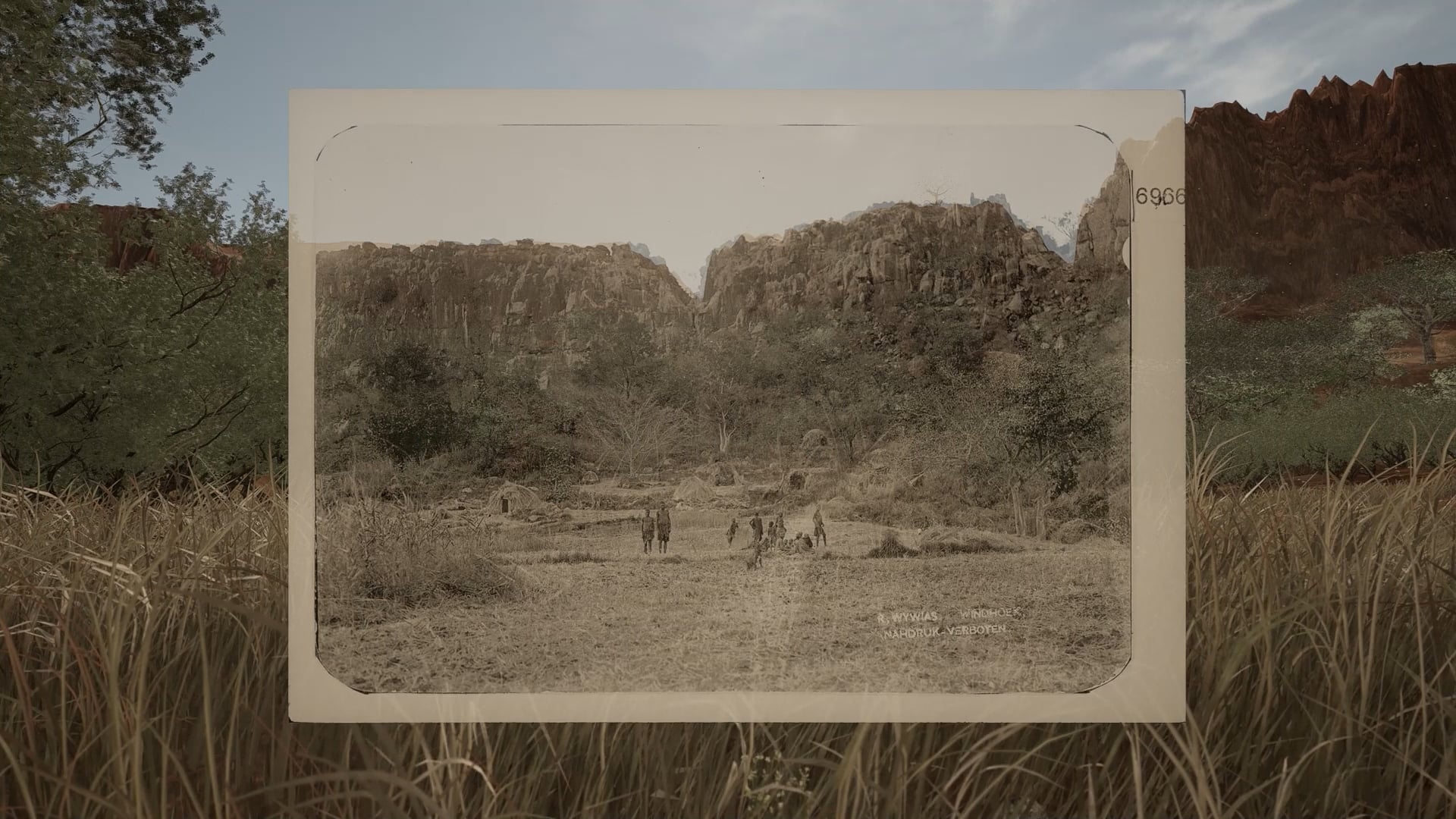
- From 1904–1908, Germany committed genocide against the Herero, Mbanderu and Nama peoples in their colony of ‘South-West Africa’ (present-day Namibia). FA/Forensis partnered with genocide activists from descendant communities to begin to produce a body of digital evidence that can be leveraged in support of demands for land restitution and reparations.