
Machine learning offers new, powerful, and indeed groundbreaking opportunities to monitor and modulate socially and politically critical infrastructure. In many areas, those opportunities are already being taken, often without due consideration or due exposure, and it is as such urgently necessary to think seriously about ethical applications of machine learning in both theory and practice. It is exactly due to its increasingly extensive use in apparatuses of state surveillance and autocratic control that we practice the ethical deployment of machine learning systems; to invert that gaze and reason constructively about the technology’s place in civil society.
I.102 German Colonial Genocide in Namibia: The Hornkranz Massacre

- Date of Incident
- 12 April 1893
- Location
- Hornkranz, Khomas Region, Namibia
- Forums
- Exhibition, Human Rights Report, Media
- In Partnership With
- Nama Traditional Leaders Association (NTLA), Ovaherero Traditional Authority (OTA), Forensis
- Summary
- On 12 April 1893, German troops attacked the Nama settlement of ||Nâ‡gâs, also known as Hornkranz, located in present-day Namibia. This was the little-known first chapter in a genocidal campaign against the Nama and Ovaherero that culminated between 1904 and 1908. We worked with descendants to reconstruct the lost settlement and support Nama claims for access to and preservation of the site.
I.7 The Forest Under Detection
- Date
- 1492 – Ongoing
- Summary
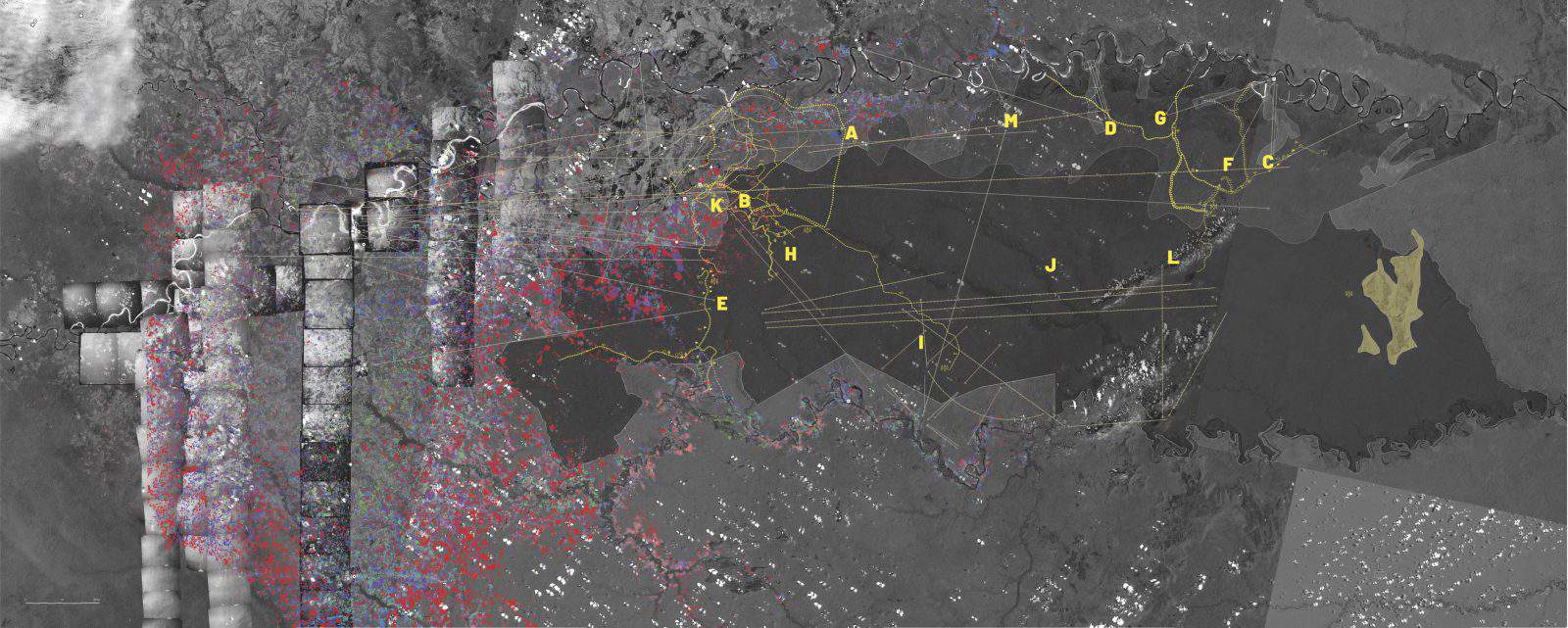
- Using spatial, image, and data analysis, we investigate the history of the Colombian states' cartographic domination of the Nukak people in the department of Guaviare.
I.56 Cloud Studies
- Date
- 2008 - Ongoing
- Summary
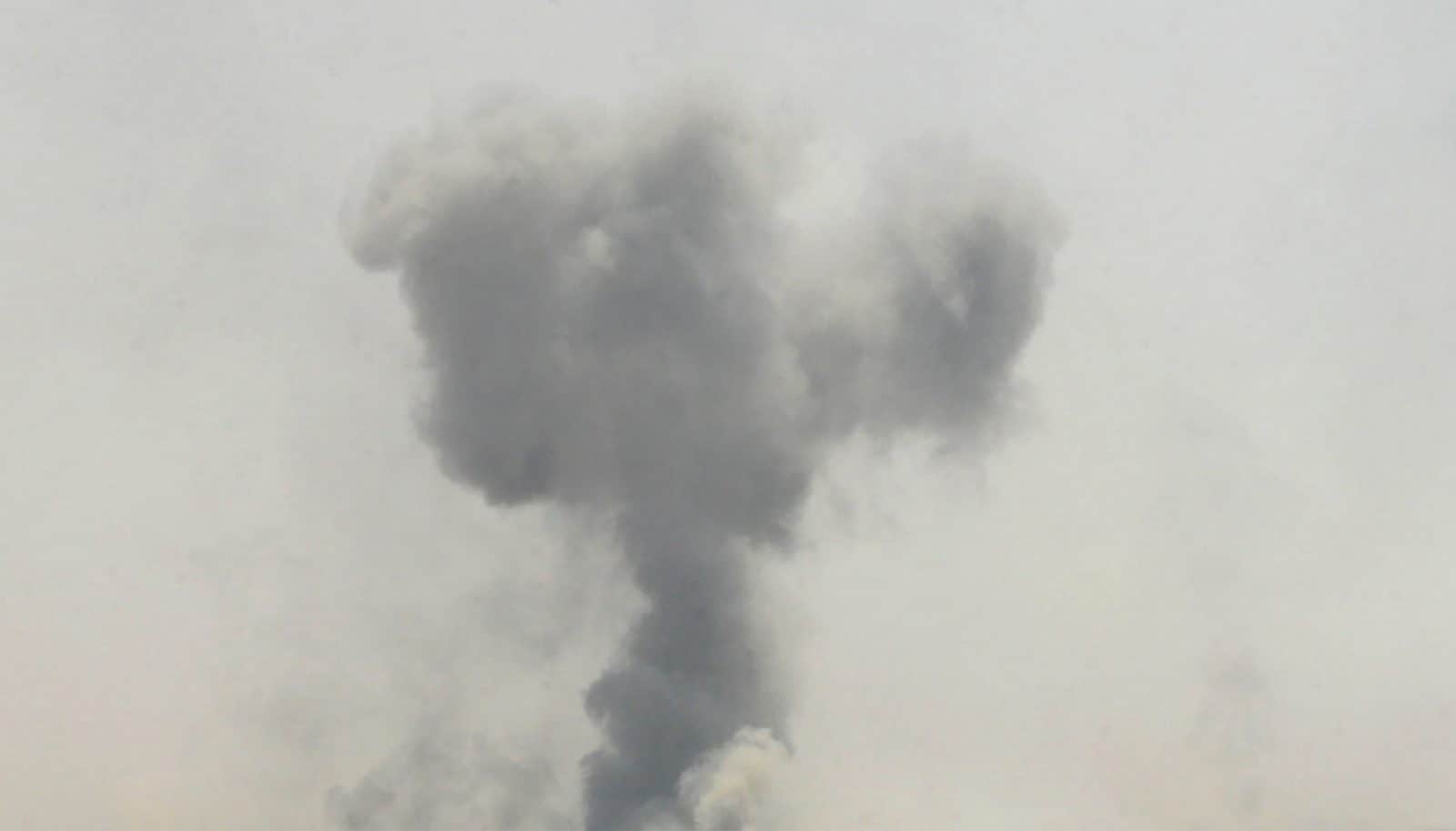
- Toxic clouds colonise the air we breathe.
I.54 Model Zoo
- Date of Incident
- Various
- Location
- Various
- Forums
- Exhibition, Media
- In Partnership With
- Bellingcat, Amnesty International, Open source contributors
- Summary
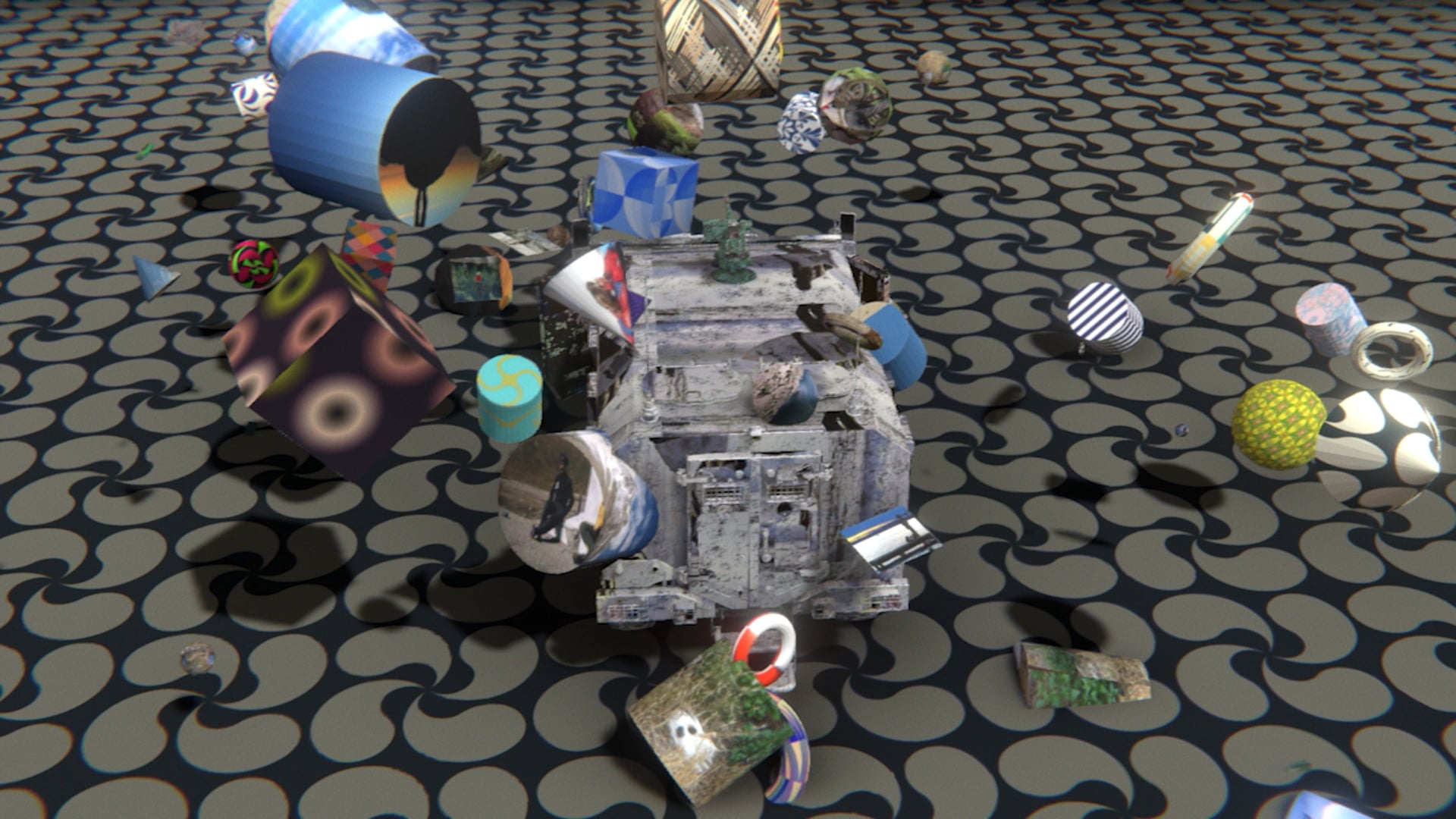
- Since 2018, Forensic Architecture has been working with ‘synthetic images’—photorealistic digital renderings of 3D models—to train machine learning classifiers. Model Zoo includes a growing collection of 3D models of munitions and weapons, as well as the different classifiers trained to identify them making a catalogue of some of the most horrific weapons used in conflict today.
Detecting Tear Gas: Vision and Sound

- Date
- 20 Feb 2020
- Summary
- This study documents several case studies undertaken by Forensic Architecture researchers and OSS contributors. Following on from research we released in early 2019, in the course of the year we have expanded our research in human rights and machine learning, with a particular focus on applications of synthetic data.
I.46 The Battle of Ilovaisk
- Date of Incident
- 24 Aug 2014 – 03 Sep 2014
- Location
- Ilovaisk, Ukraine
- Forums
- Legal Process, Media
- Commissioned By
- European Human Rights Advocacy Centre (EHRAC)
- Summary
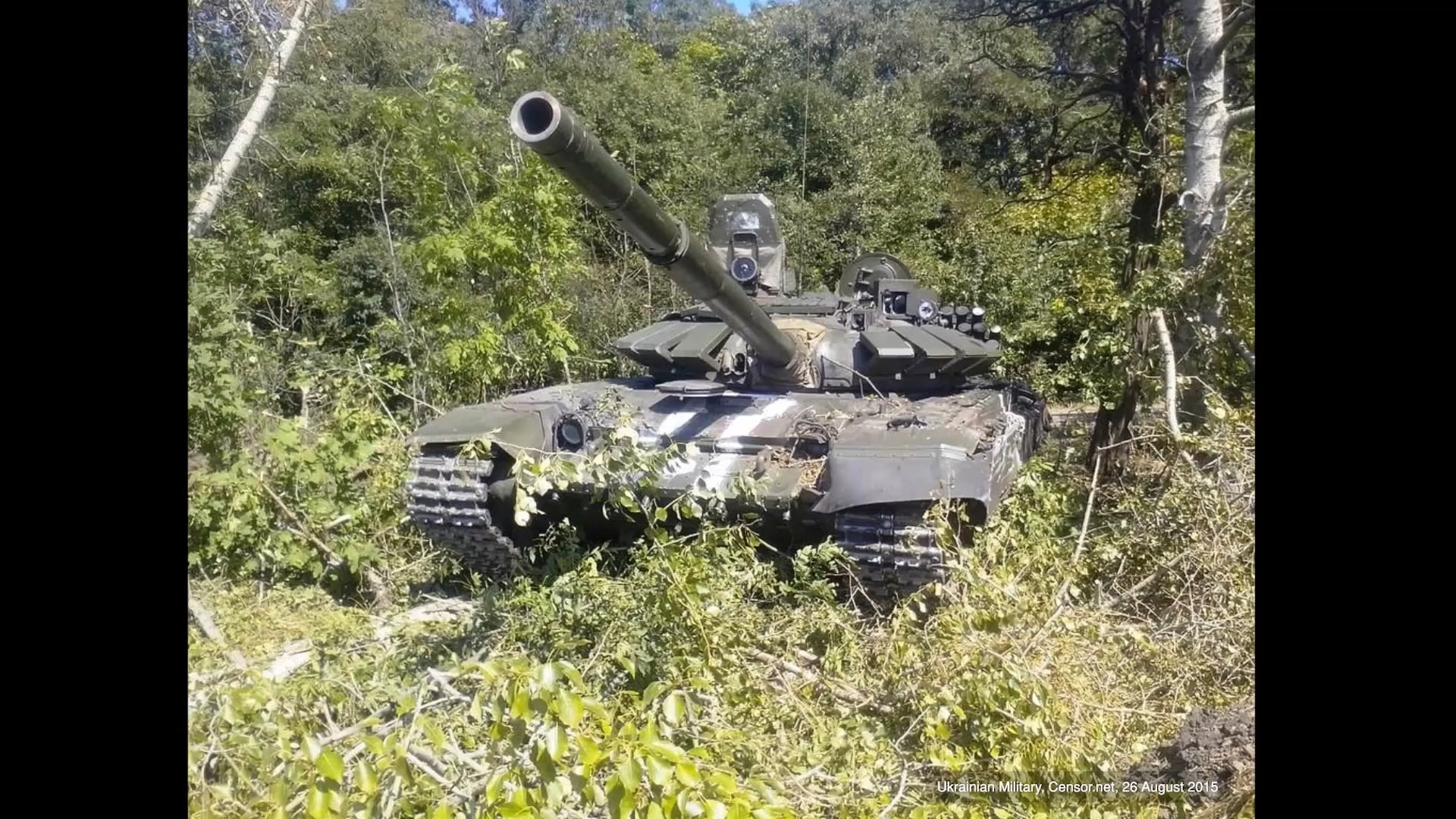
- The victory of pro-Russian separatists over the Ukrainian army in the battle for control of Ilovaisk was a defining moment in the 2014 conflict in eastern Ukraine. We used machine learning to search for evidence of Russian military involvement.
I.43 Triple-Chaser
- Date of Incident
- 26 Nov 2018
- Location
- Tijuana-San Diego border, US/Mexico; Gaza, Palestine; and around the world
- Forums
- Exhibition, Media
- In Partnership With
- Praxis Films
- Summary
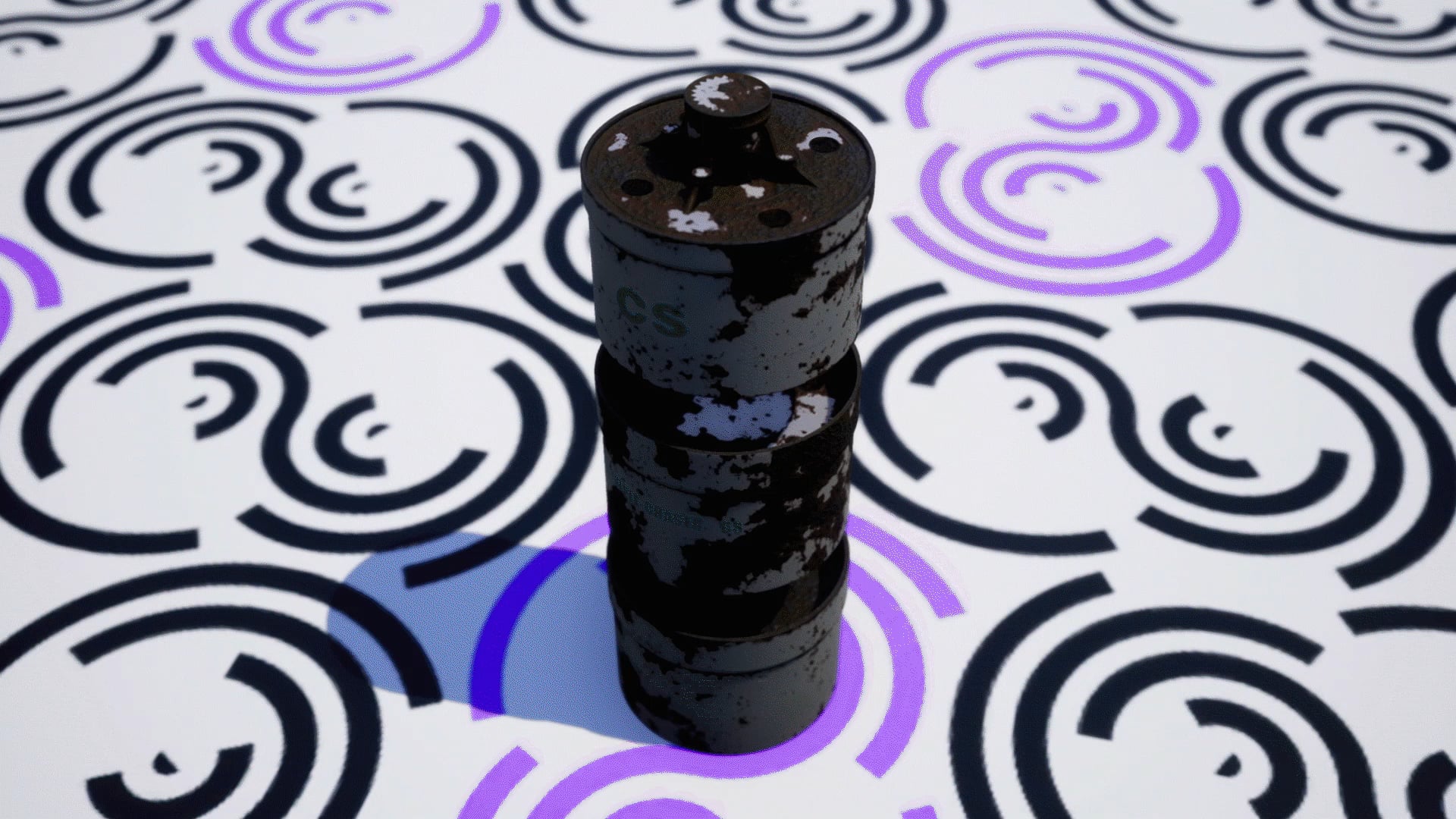
- When US border agents fired tear gas grenades at civilians, including children, photographs linked the grenades to the Safariland Group, which is owned by Warren B. Kanders, the vice chair of the board of trustees of the Whitney Museum of American Art. In response to our invitation to the Whitney Biennial 2019, we developed machine learning classifiers to search for Safariland munitions online.
I.3 Computer Vision in Triple Chaser
- Date
- 30 Nov 2018
- Summary
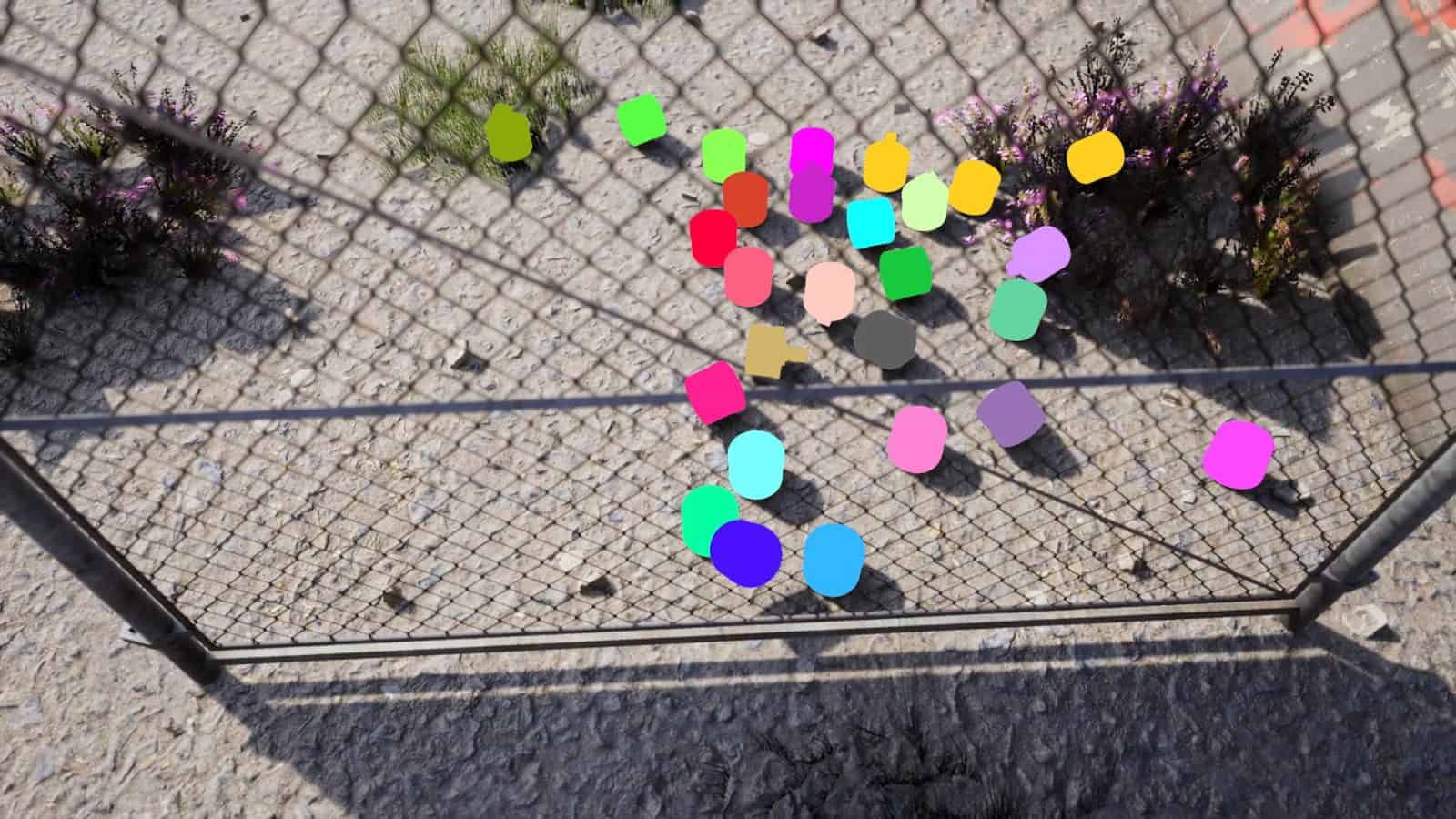
- For our contribution to the 2019 Whitney Biennial at New York’s Whitney Museum of American Art, we developed a machine learning and computer vision workflow to identify tear gas grenades in digital images. We focused on a specific brand of tear gas grenade: the Triple-Chaser CS grenade in the catalogue of Defense Technology, which is a leading manufacturer of ‘less-lethal’ munitions.
I.2 Experiments in Synthetic Data
- Date
- 06 Nov 2018
- Summary
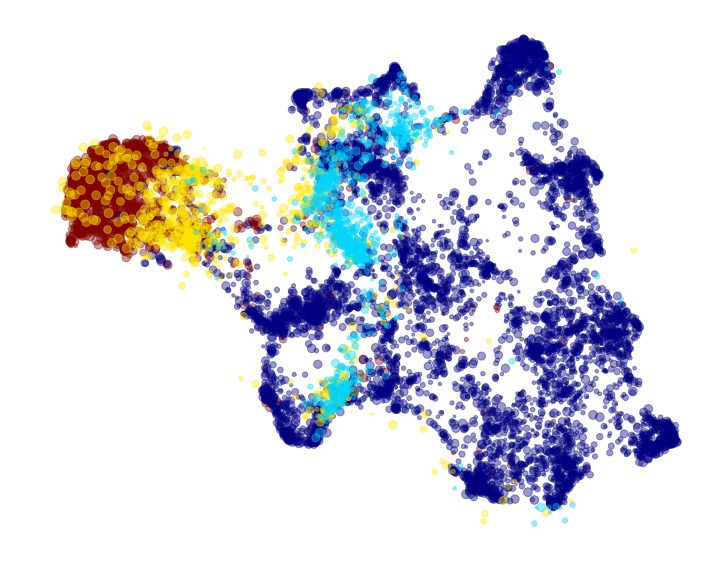
- In many investigative contexts, the abundance of potentially relevant data presents a significant challenge to constructing a case. To this end, we use machine learning tools where appropriate to channel investigative resources effectively when processing footage from YouTube, Vimeo, or other media sources.