The Enforced Disappearance of the Ayotzinapa Students
Forensic Architecture
The Enforced Disappearance of the Ayotzinapa Students

On the night of the 26–27 September 2014, a group of students from the Ayotzinapa Rural Teachers’ College were attacked in the town of Iguala, Guerrero, Mexico. Their assailants were local police, in collusion with criminal organisations, and other branches of the Mexican security forces, including state and federal police and the military.

At the end of a night which has become an indelible and defining moment in the history of modern Mexico, six people were dead, forty wounded, and forty-three students were forcibly disappeared. The whereabouts of those students remains unknown.

Instead of delivering justice for the families of the victims, the Mexican state constructed a fraudulent and plainly inconsistent narrative of that night’s events.

Working with the families of the disappeared, and NGOs within Mexico, Forensic Architecture (FA) developed an interactive cartographic platform to explore that narrative and its conflicts and inconsistencies.

Our goal was to provide a forensic tool for researchers, to strengthen civil society’s capacity to investigate the Mexican state’s involvement in an historic crime.

We examined thousands of pieces of testimony, interviews, videos, and phone records from reports composed by independent investigators from the Inter-American Commission on Human Rights (IACHR).

We turned this information into data-points, plotted within an interactive platform. In the platform, users can explore the relationship between incidents—such as shootings, movements and communications—and actors, including the victims, state security agents and members of criminal organisations.

The data reveals instances of collusion and coordination between state agents and organised crime, and identifies contradictions in the account of the night presented by Mexican state authorities. It also makes clear the extent to which that account diverges from the account later presented by the IACHR’s investigators.
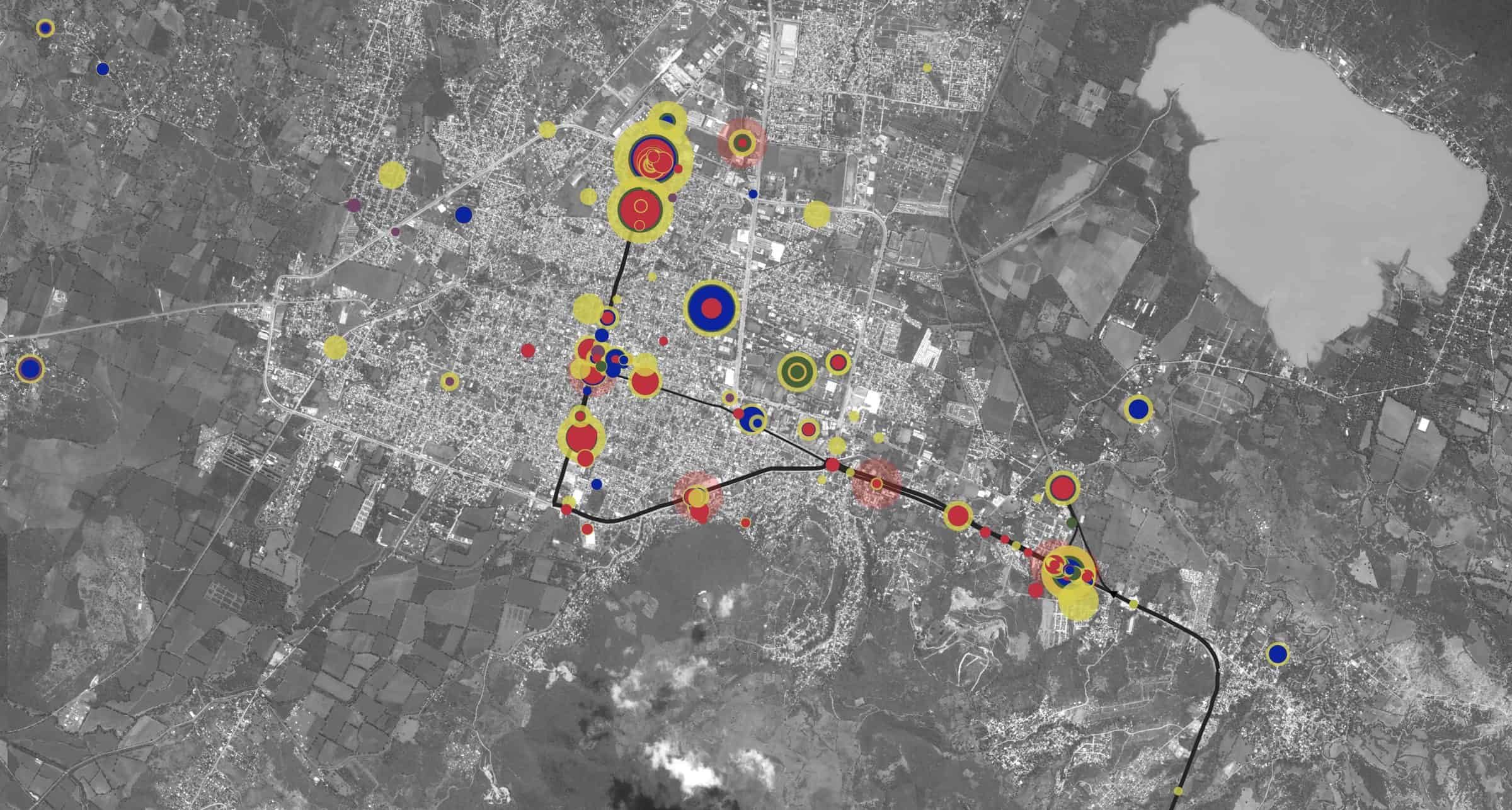
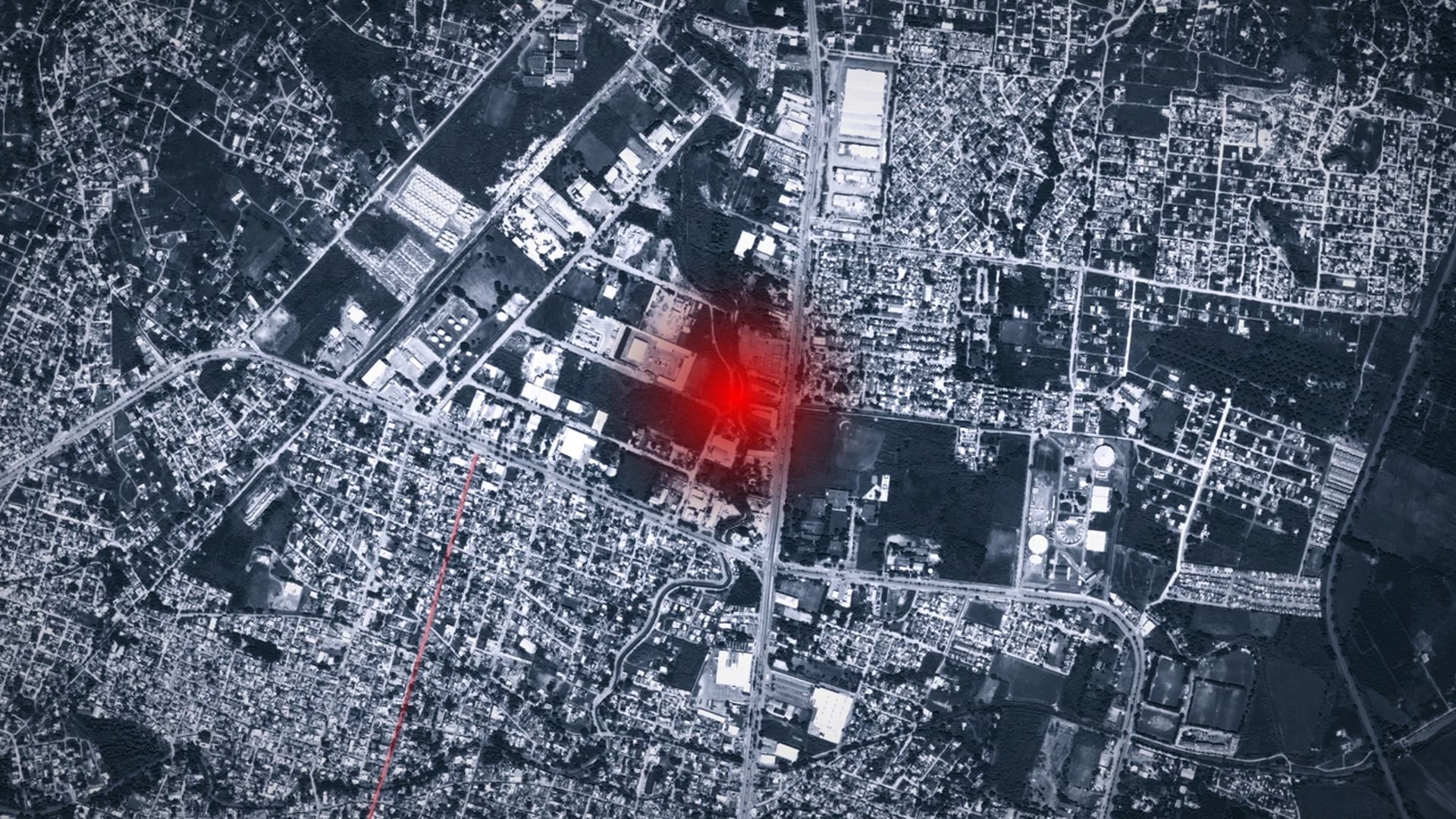
Iguala – Satellite image - The Ayotzinapa Platform explores the relationship between thousands of events from the night of the disappearances. Different types of events and actors are marked with different colours. (Forensic Architecture)
The Ayotzinapa Platform explores the relationship between thousands of events from the night of the disappearances. Different types of events and actors are marked with different colours. (Forensic Architecture)

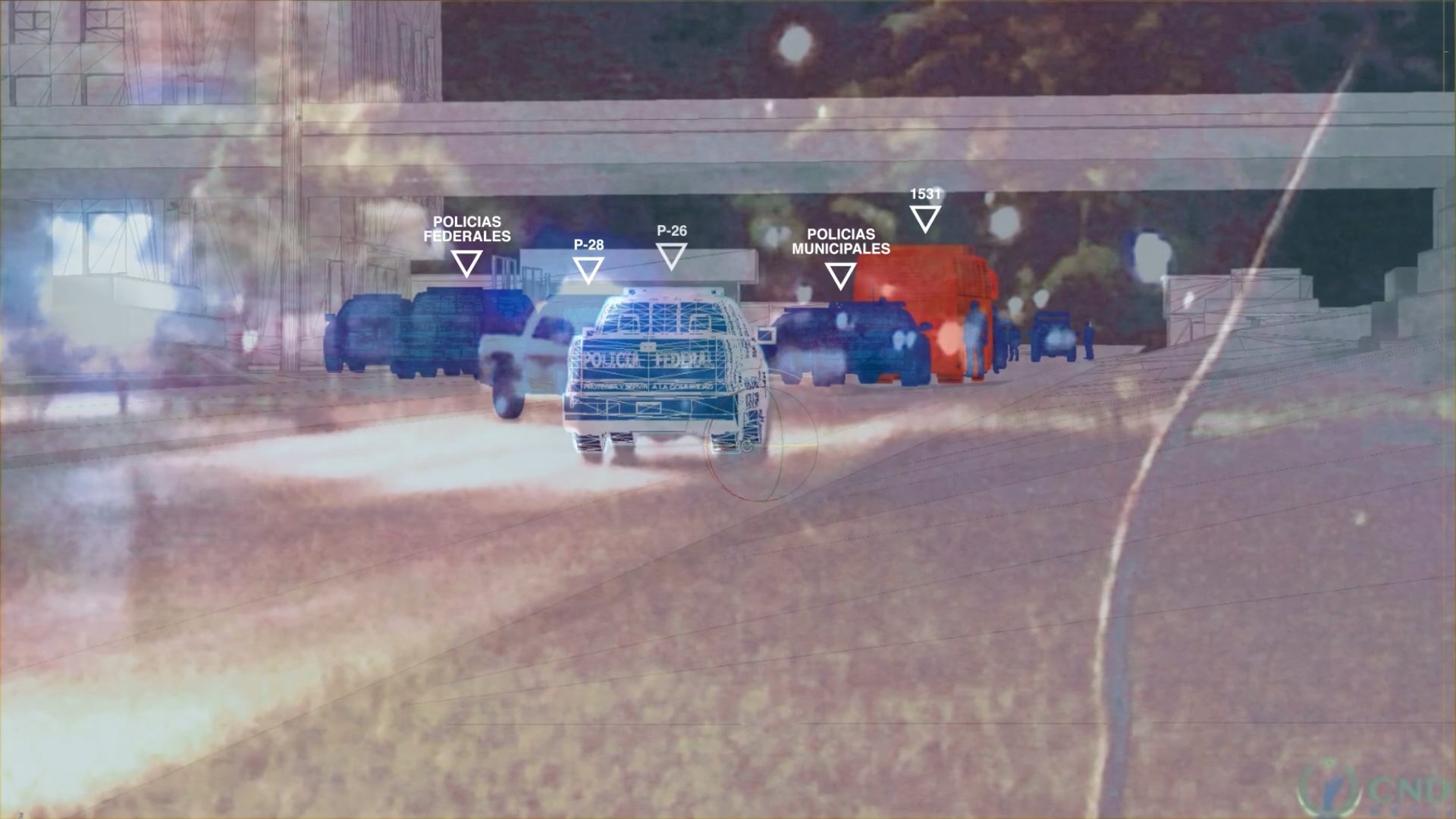
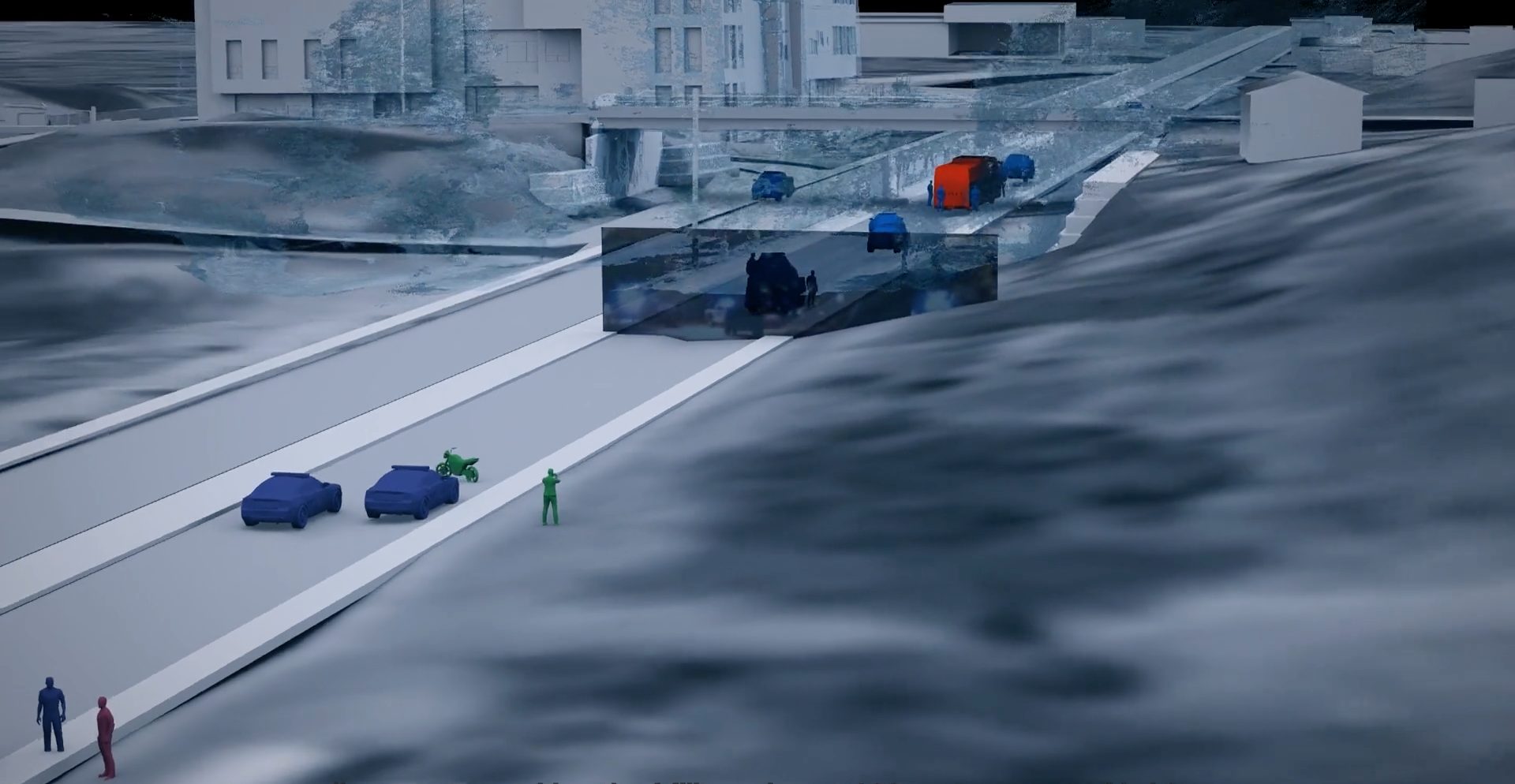
Palacio de Justicia – 2 - Available photographic evidence from the scene informed our 3D models. (Forensic Architecture)
Available photographic evidence from the scene informed our 3D models. (Forensic Architecture)

Through our partnership with the families of the disappeared, we also hope to demonstrate the ways in which civil society collectives can employ innovative tools to investigate complex crimes, confronting criminal impunity and the failures of Mexican law enforcement.

Above all, the insufficiency of the Mexican state’s investigation is laid bare, and the Attorney General’s ‘historical truth’ is exposed as a fiction.
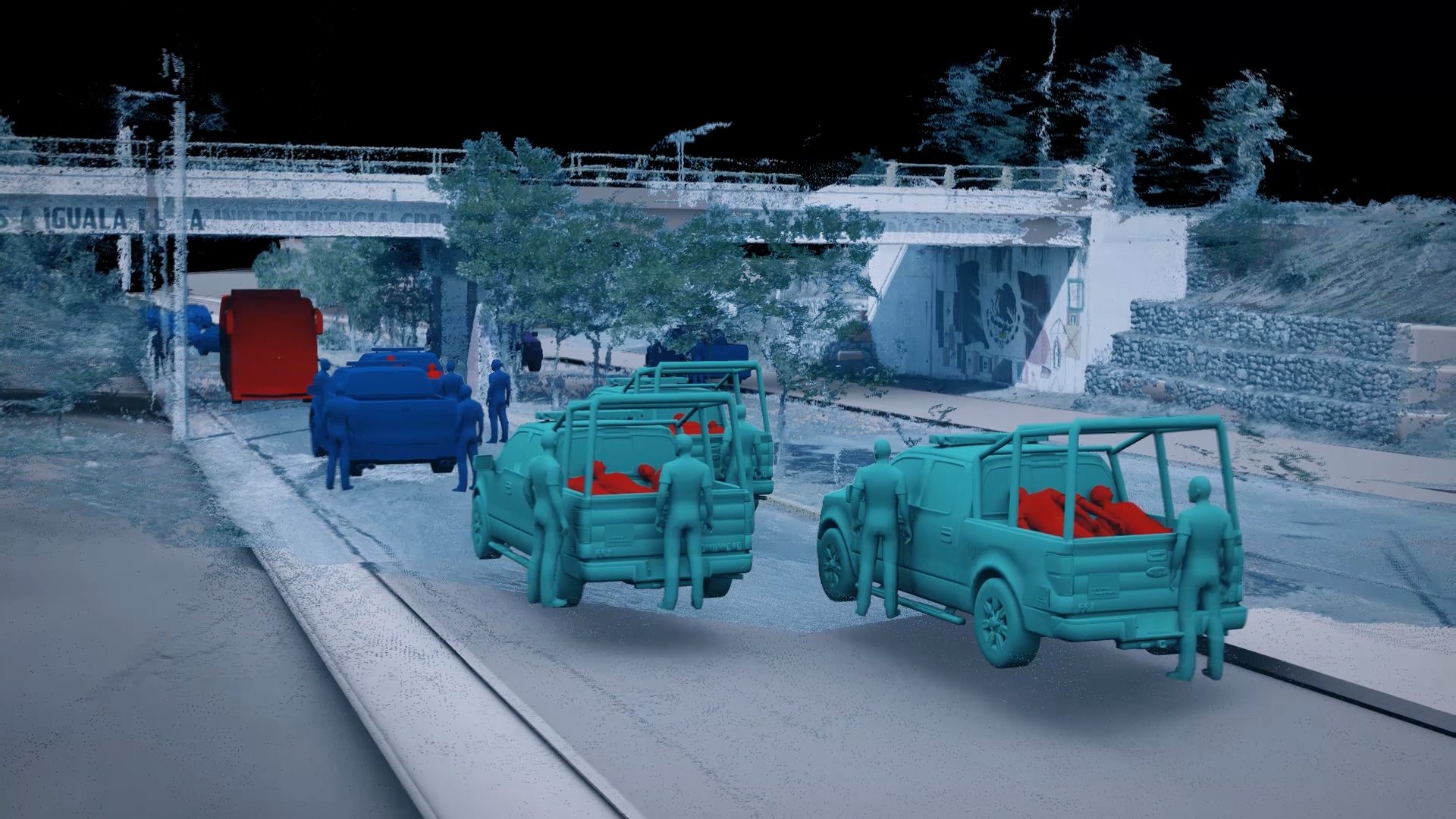
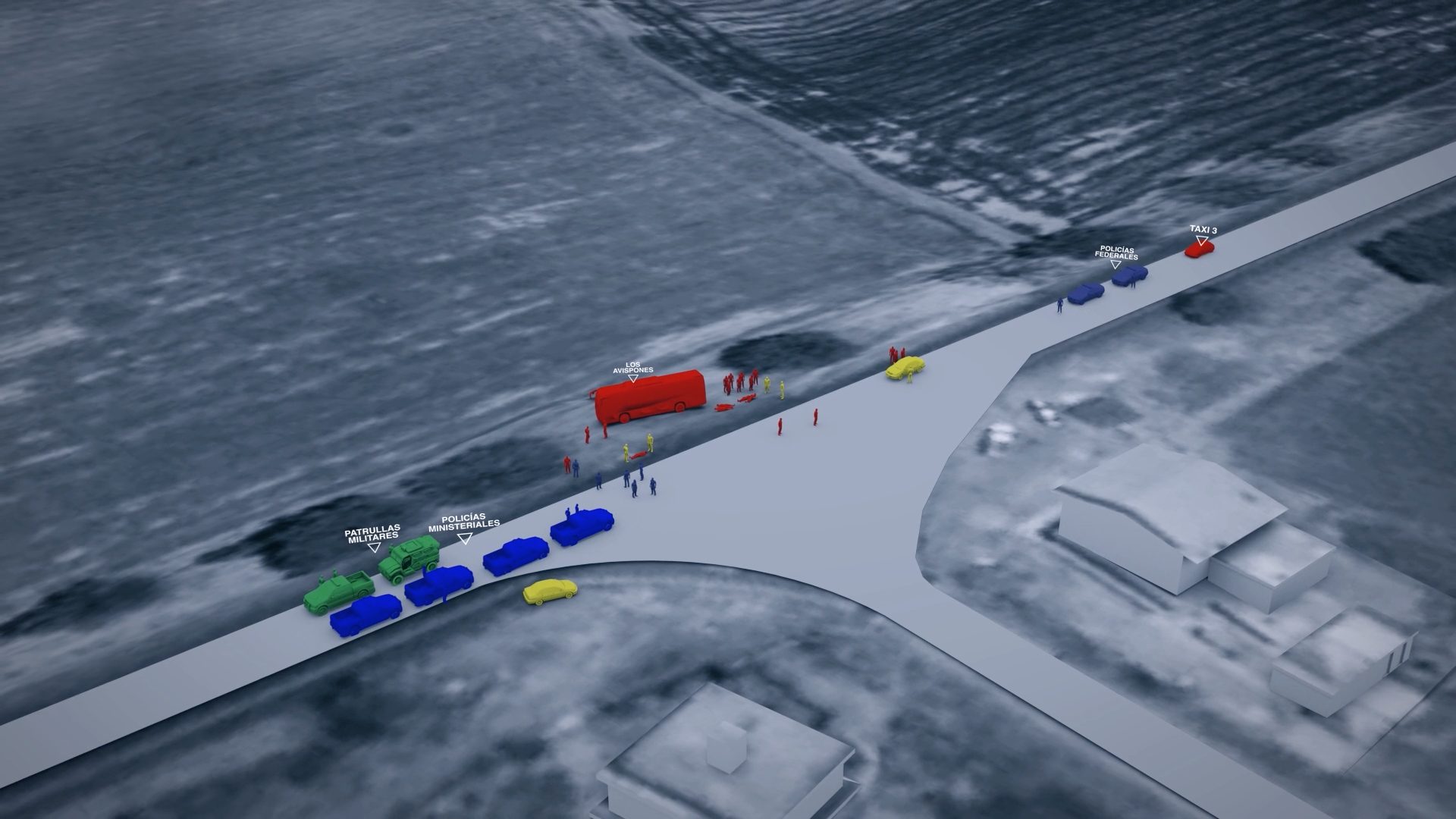
Palacio de Justicia – 3 - During the Palacio de Justicia attack, between twelve and fourteen students were disappeared, taken from the scene in police trucks. (Forensic Architecture)
During the Palacio de Justicia attack, between twelve and fourteen students were disappeared, taken from the scene in police trucks. (Forensic Architecture)
Santa Teresa Crossing – 1 - Outside Iguala, an attack by local cartel members on a coach carrying a youth football team was observed, but not interrupted, by local and state police, as well as military personnel. (Forensic Architecture)
Outside Iguala, an attack by local cartel members on a coach carrying a youth football team was observed, but not interrupted, by local and state police, as well as military personnel. (Forensic Architecture)

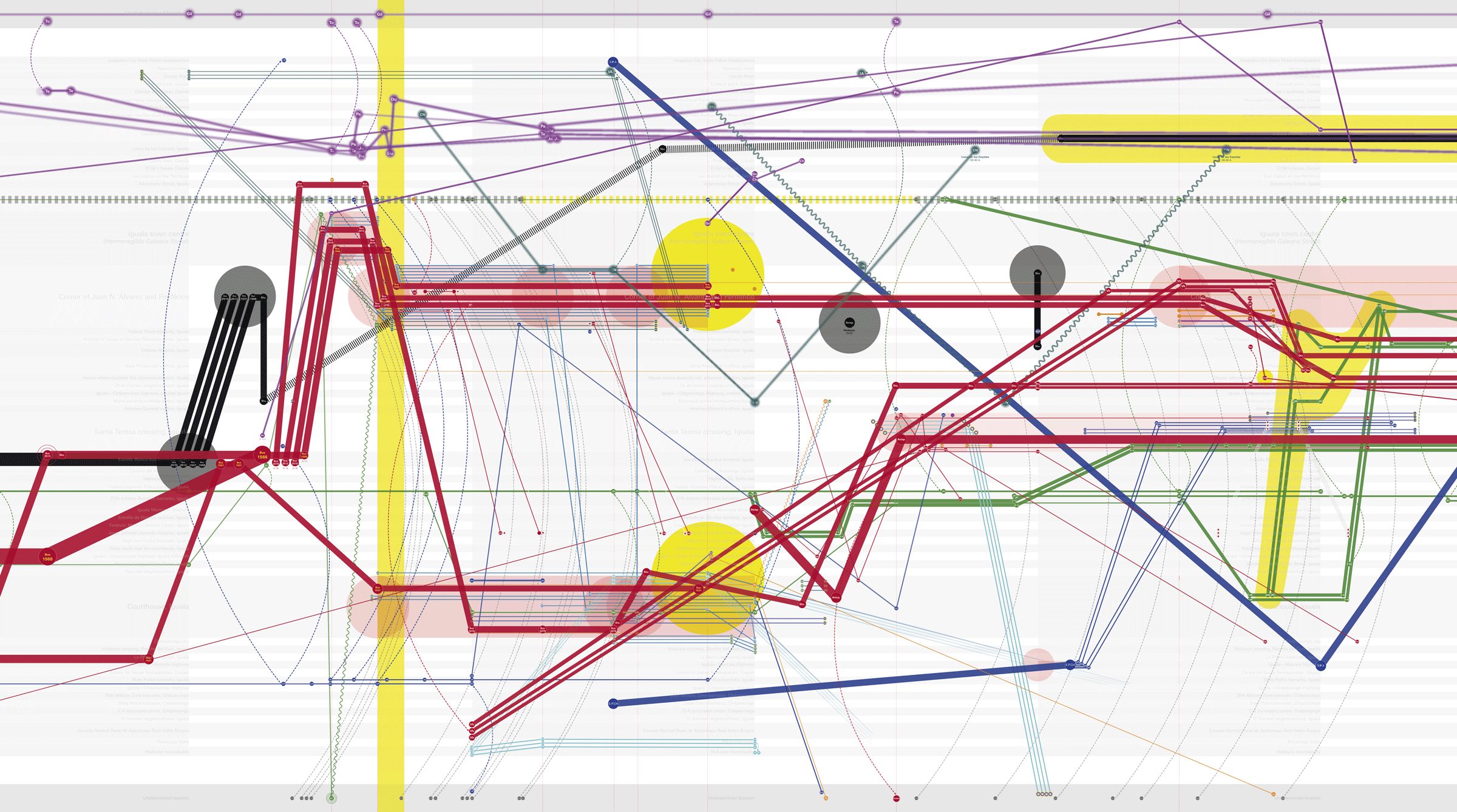
Our investigation into the disappearance of the students from Ayotzinapa is now part of the permanent collection at the University Museum of Contemporary Arts (MUAC), at Mexico’s National Autonomous University in Mexico City. Central to that exhibition is a graphic mural composed from the data drawn by our researchers from the pages of the GIEI and PGR reports, and the research of journalist John Gibler.

Drawing from the tradition of Mexican muralism, which have long addressed political and social themes, the mural charts the night of 26–27 September 2014 across the time and space through which those events unfolded. By representing graphically the testimonies of survivors, suspects and state representatives, and the narratives of the subsequent investigations into the case, the divergences between these many accounts of the night become evident.

Play Video
Ayotzinapa Mural – Smaller - This mural, now part of the permanent collection at Mexico City's MUAC gallery, turns the competing, conflicting accounts of the events of the night of 26-27 September 2014 into a vast graphic. (Forensic Architecture) Full Size ↗
This mural, now part of the permanent collection at Mexico City's MUAC gallery, turns the competing, conflicting accounts of the events of the night of 26-27 September 2014 into a vast graphic. (Forensic Architecture) <a href="http://staging.forensic-architecture.org/wp-content/uploads/2018/09/Ayotzinapa_Mural-1.png" target="_blank">Full Size ↗</a>

Methodology

The starting point for this investigation is the extensive research undertaken by the Interdisciplinary Group of Independent Experts (GIEI) appointed in November 2014 by the IACHR. The GIEI carried out a thorough year-long investigation of the case and published two reports.

The GIEI reports are quasi-juridical documents, and are largely inaccessible to the general public. Our platform aim to complement its findings by establishing links and relations between the incidents it describes, and presenting those connections in a comprehensible and navigable manner.

The GIEI reports paint narratives radically different from the report originally presented by the Mexican Attorney General (PGR) and referred to as the ‘historical truth.’ They highlight contradictions, discrepancies and incomplete accounts present in the PGR’s investigation.

Our analytic process was based on a data-mining approach that scoured through more than a thousand pages of these reports, broke down the narratives in them into more than 5,000 individual incidents or data points which were subsequently arranged according to multiple categories in our data base.

Those data points describe locations, movements, attacks, mishandling of evidence and communications. Each data-point is then located, timed and tagged according to which actors were involved in them and what type of incident they described. Each was also assigned with a narrative description.

Following the process of data mining, Forensic Architecture developed an interactive platform to explore the relations between the resulting data points.

Built on top of a set of open-source software for interactive data analysis and web visualization such as d3 or Leaflet, the platform allows users to filter information using a tagging system relating to people, organizations and objects, as well as the classification of incident types.

The platform also contains a set of interactive 3D models, relating to three of the most important crime scenes. These interactive models allow users to explore the scenes along several distinct stages using the same structured data system.
Santa Teresa Crossing – 1 - Outside Iguala, an attack by local cartel members on a coach carrying a youth football team was observed, but not interrupted, by local and state police, as well as military personnel. (Forensic Architecture)
Outside Iguala, an attack by local cartel members on a coach carrying a youth football team was observed, but not interrupted, by local and state police, as well as military personnel. (Forensic Architecture)
Palacio de Justicia – 1 - A reconstruction of the attack at the Palacio de Justicia. Two buses carrying students were attacked repeatedly by different state security forces. (Forensic Architecture)
A reconstruction of the attack at the Palacio de Justicia. Two buses carrying students were attacked repeatedly by different state security forces. (Forensic Architecture)

Updates

Update — 16 September 2019

A judge in Mexico orders that 24 of the suspects originally arrested in connection with the disappearances should be freed from jail because they had been tortured while in custody. Days earlier, a man suspected of leading a gang involved in the disappearances was also released, on the same grounds.

Update — 26 September 2019

On the fifth anniversary of the disappearances, investigative reporter and FA member Irving Huerta publishes new material which undercuts one of the most common hypotheses about the motives behind the disapperances.

According to that hypothesis, the vehicle identification number for one of the buses commandeered and driven to Iguala by the students on the night of the disappearances had been modified after the event, to disrupt the original investigation into the incident. The GIEI, who made this allegation, suggested that various details about the bus could have been changed in order to derail their inquiries.

Huerta’s investigation uncovers evidence in Ministry of Transport databases which challenges this hypothesis, as well as possible explanations for various changes to the bus’s physical appearance which would account for some of the GIEI’s suspicions.

Read our statement on the fifth anniversary here.

Forensic Architecture Team
Principal Investigator
Project Coordinator
Research
Platform Design & Development
Video Production
Research Assistance
Research Support
Project Support
Extended Team
Platform Design & 3D Engineering
Anso Studio
Interaction Design
Thanks to
Other Means
Centre for Investigative Journalism (CIJ)
Taller cartográfico "Ariles"
The surviving Ayotzinapa students and families of the 43 disappeared
Collaborators
Exhibitions
12 Aug – 22 Oct 2023
Atmósferas de Terror
Centro Nacional de Arte Contemporáneo
29 Nov 2019 – 29 Feb 2020
Vivir afuera
Espacio de Arte Contemporáneo, Montevideo
30 Oct 2018 – 24 Feb 2019
News, Dear Mr. Ripley
Seoul Museum of Art (SeMA), Seoul, South Korea
15 Oct – 02 Nov 2018
Disappear
CCAU/ITESO, Guadalajara, Mexico
25 Jul 2018 – 10 Mar 2019
Shanghai Biennale 12: Proregress—Art in an Age of Historical Ambivalence
Shanghai Biennale 12, Power Station of Art, Shanghai, China
11 Jul – 29 Sep 2018
Diagrams of Power
Onsite Gallery, Toronto, Canada
11 – 17 May 2018
Ambulante Festival
Centro de Cultural Digital, Mexico City, Mexico
08 – 31 Mar 2018
Reality Machines
Alison Richard Building, University of Cambridge, Cambridge
07 Mar – 13 May 2018
Counter Investigations
The Institute of Contemporary Arts (ICA), London
09 Sep – 30 Dec 2017
Forensic Architecture: Hacia una Estética Investigativa
Museo Universitario Arte Contemporáneo (MUAC), Mexico City, Mexico
Events
29 Nov 2019 – 29 Feb 2020
Vivir afuera
Espacio de Arte Contemporáneo, Montevideo
01 Nov 2018
Propositions #7/2: Geosync
BAK, Utrecht, Netherlands
30 Oct 2018 – 24 Feb 2019
News, Dear Mr. Ripley
Seoul Museum of Art (SeMA), Seoul, South Korea
25 Jul 2018 – 10 Mar 2019
Shanghai Biennale 12: Proregress—Art in an Age of Historical Ambivalence
Shanghai Biennale, Power Station of Art, Shanghai, China
11 Jul – 30 Sep 2018
Diagrams of Power
Onsite Gallery, Toronto, Canada
09 – 29 Mar 2018
Reality Machines
CRASSH, Cambridge, UK
07 Mar – 13 May 2018
Counter Investigations: Forensic Architecture
Institute for Contemporary Art, London, UK
10 Oct 2017
Introducción al Mural Ayotzinapa en el MUAC
Museo Universitario Arte Contemporáneo, Mexico City, Mexico
09 Sep – 30 Dec 2017
Forensic Architecture at MUAC
Museo Universitario Arte Contemporáneo, Mexico City, Mexico
07 Sep 2017
Press Conference: The Ayotzinapa Platform
Museo Universitario Arte Contemporáneo, Ciudad Universitaria, Coyoacán Ciudad de México, Mexico
Press
02 Oct 2021
Milenio
Mapean desaparición de los 43 normalistas de Ayotzinapa y evidencian inconsistencias
01 Oct 2021
Milenio
Tortura retrasó posibilidad de dar con los 43 normalistas de Ayotzinapa: GIEI
26 Sep 2019
Proceso
Ayotzinapa: Registros e imágenes debilitan hipótesis del 5o autobús
14 Jan 2018
Weltspiegel
Digitale Menschenrechtler
24 Nov 2017
El Sur
Realizan Jornada de Reflexión en El Muac, a Tres Años y dos Meses de la Desaparición de los 43
27 Oct 2017
Caller Times (USA Today)
Kidnapping Survivor Speaks on Ayotzinapa Movement
25 Oct 2017
El Universal
“Franjas, Muros y Fronteras”, en el MUAC
01 Oct 2017
Gas TV Mexico
Forensic Architecture: Habitando maquinarias complejas
28 Sep 2017
CNN
Así Reconstruyó Forensic Architecture el Ataque a los Estudiantes de Ayotzinapa
26 Sep 2017
openDemocracy
Ayotzinapa Three Years Later: New light, few answers
26 Sep 2017
VICE News
Parents of the 43 Missing Students Take Matters into Their Own Hands
11 Sep 2017
Código
El Caso Ayotzinapa: Una cartografía de la violencia
08 Sep 2017
Huffington Post
La Plataforma Digital que Revela a Detalle Cómo Occurió la Desaparición de los 43 de Ayotzinapa
07 Sep 2017
Proceso
Ayotzinapa: La inusitada actividad de celulares de policías, delincuentes y estudiantes
07 Sep 2017
The New York Times (Español)
A Tres Años de Ayotzinapa, un Mural Revela los Caminos de la Violencia
07 Sep 2017
Proceso
Ayotzinapa: El mapa interactivo de la tragedia
07 Sep 2017
El País
Los 43 de Ayotzinapa, Una Cartografía de la Violencia en México
07 Sep 2017
Radio Fórmula
Presentan Cartografía Caso #Ayotzinapa; Muestra minuto a minuto hechos de Iguala
07 Sep 2017
Aristegui en Vivo
Plataforma Ayotzinapa Permite Trabajar en Nuevas Hipótesis
07 Sep 2017
Proceso
Presentan La Plataforma Ayotzinapa, un Acto de 'Solidaridad con las Víctimas, Familias y la Sociedad'
07 Sep 2017
openDemocracy
The Ayotzinapa Platform: What happened to the 43 disappeared Mexican students?
07 Sep 2017
WIRED
In 2014, 43 Students Were Massacred. Can Digital Forensics Help Solve the Crime?
07 Sep 2017
Quadratin
Recrean Caso Iguala: Culpan al gobierno por desaparición de 43
07 Sep 2017
The Intercept
Three Years After 43 Students Disappeared in Mexico, a New Visualization Reveals the Cracks in the Government’s Story
01 Sep 2017
TANK Magazine
Forensic Architecture: Innovative technologies are shedding new light on past crimes
Recognition
Nominated: Gabriel García Márquez Journalism Award
Related Investigations
Using Timemap for Cartographic Platforms
15.05.2019
Digital Violence: How the NSO Group Enables State Terror
At least 45 countries worldwide · 01 Jan 2015 – Ongoing
Dispossession and The Memory of the Earth: Land Dispossession in Nueva Colonia
Nueva Colonia, Urabá Antioqueño, Colombia · 1960s to the present day
The Black Boxes of Disappearance: Enforced Disappearance in the Siege of the Palace of Justice
Bogotá, Colombia · 06 Nov 1985 – 07 Nov 1985