

- Date of Incident
- 04 Aug 2020
- Location
- Beirut, Lebanon
- Publication Date
- 17 Nov 2020
- In Partnership With
- Mada Masr
- Additional Funding
- None
- Collaborators
- Mada Masr
- Methodologies
- 3D Modelling, Geolocation, OSI, Synchronisation
- Forums
- Media
- Exhibitions
- Biennale Nemo, Cloud Studies at the Whitworth, Biennale Internationale du Design Saint-Étienne 2022 (Le monde, sinon rien), Cloud Studies at Tensta Konsthall, Soutenir at Pavillon Sicli, Forensic Architecture: Witnesses
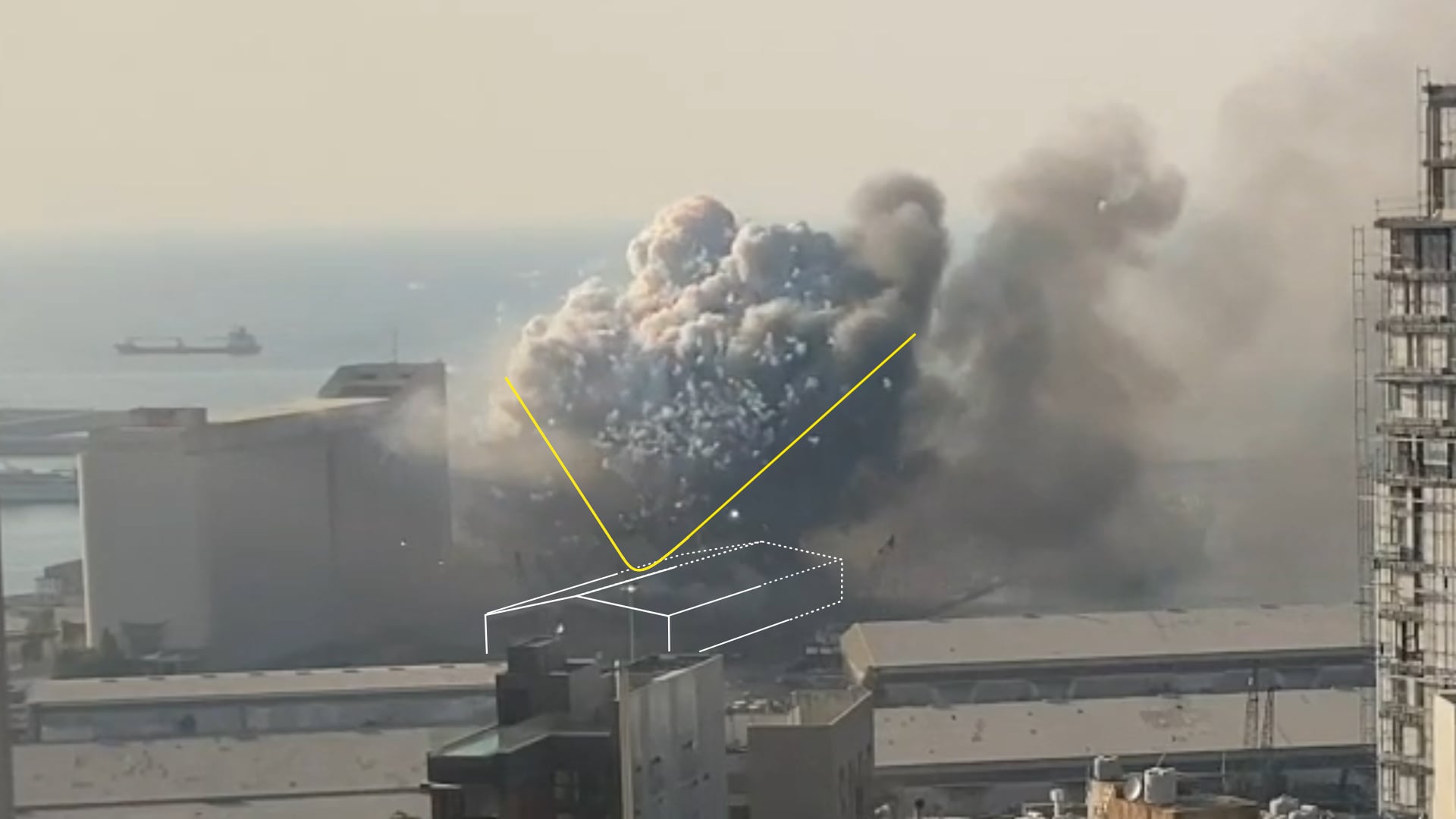
This investigation is part of a broader project examining the 4 August 2020 explosion in the port of Beirut, its causes and aftermath. See also:
The Beirut Port Explosion: The Welders
The Beirut Port Explosion: Destruction of Destruction
Shortly after 6:00pm on 4 August 2020, an explosion ripped through the port of Beirut. It killed more than two hundred people, wounded over 6,500, and destroyed large parts of the city.
Forensic Architecture was invited by Mada Masr to examine open source information including videos, photographs, and documents to provide a timeline and a precise 3D model to help investigate the events of that day.
On 13 November, in anticipation of the UN Security Briefing on Lebanon, Legal Action Worldwide published a set of demands on behalf of over a thousand survivors of the explosion, asking for international support in their pursuit of justice, and demanding ‘without delay, an independent and impartial fact-finding mission’.
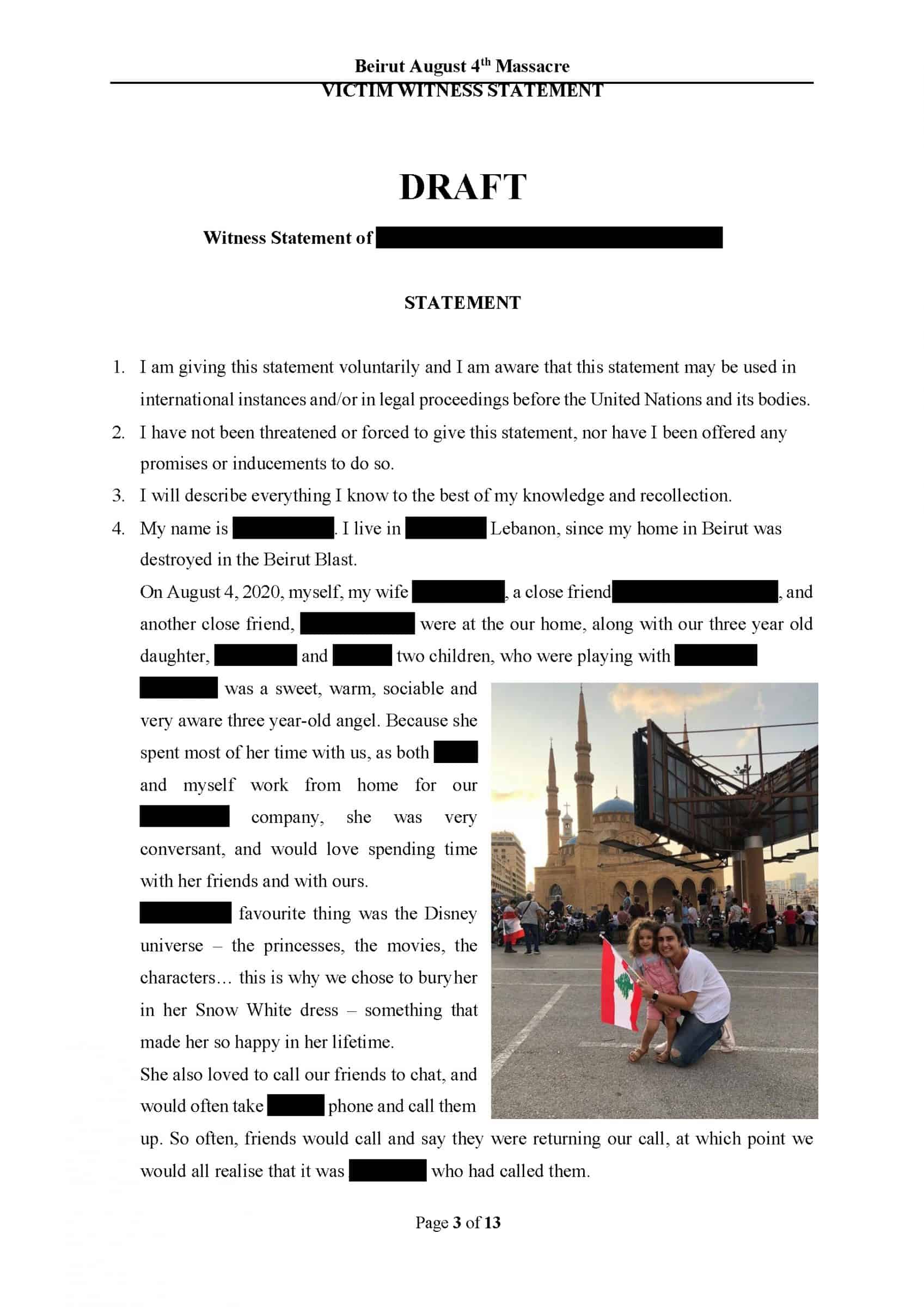
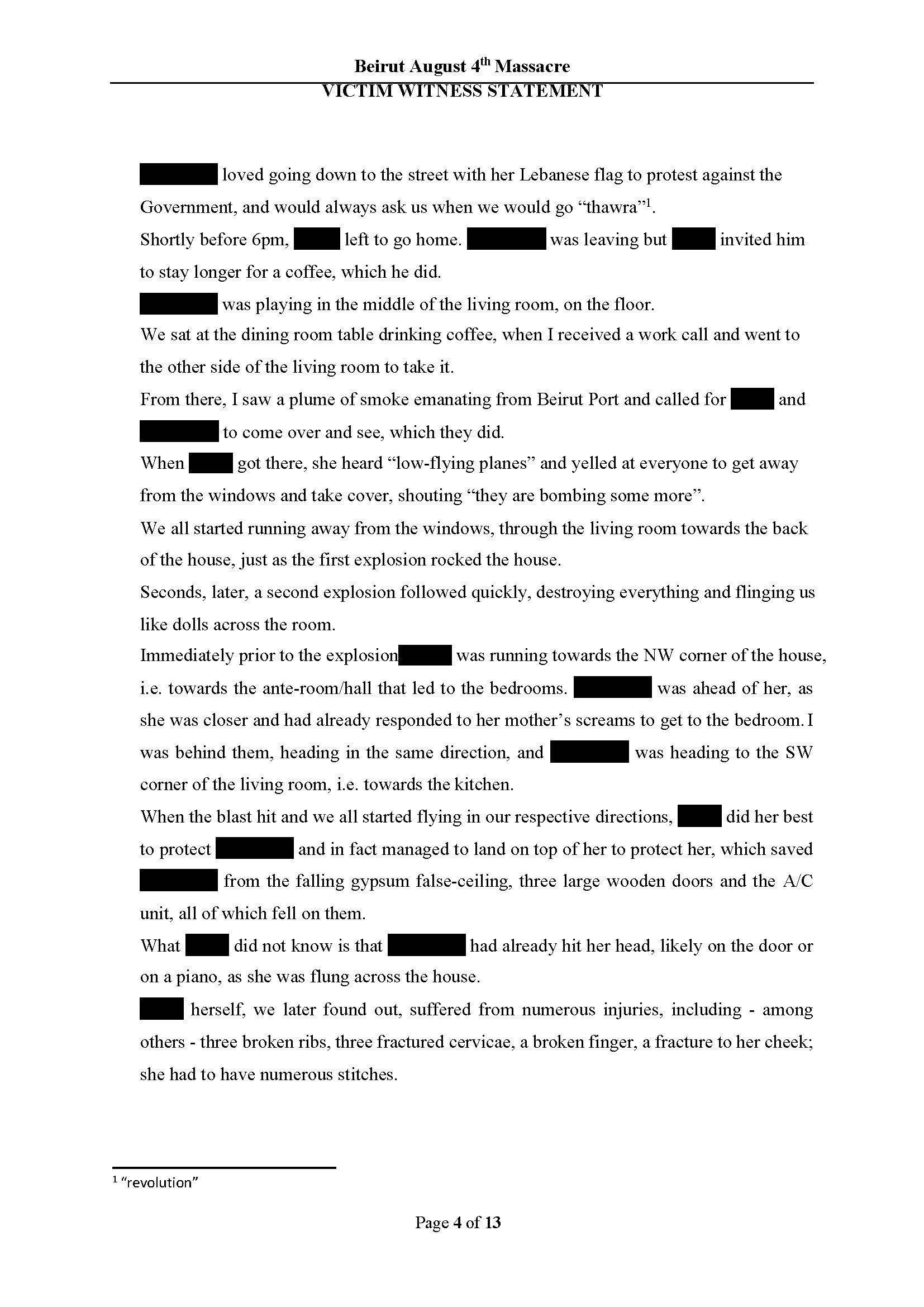
In support of this request, and of the pursuit of political and economic accountability, we have made our model, the geolocated videos and the source material used in their research, publicly available. Find them here.
Methodology
Geolocation
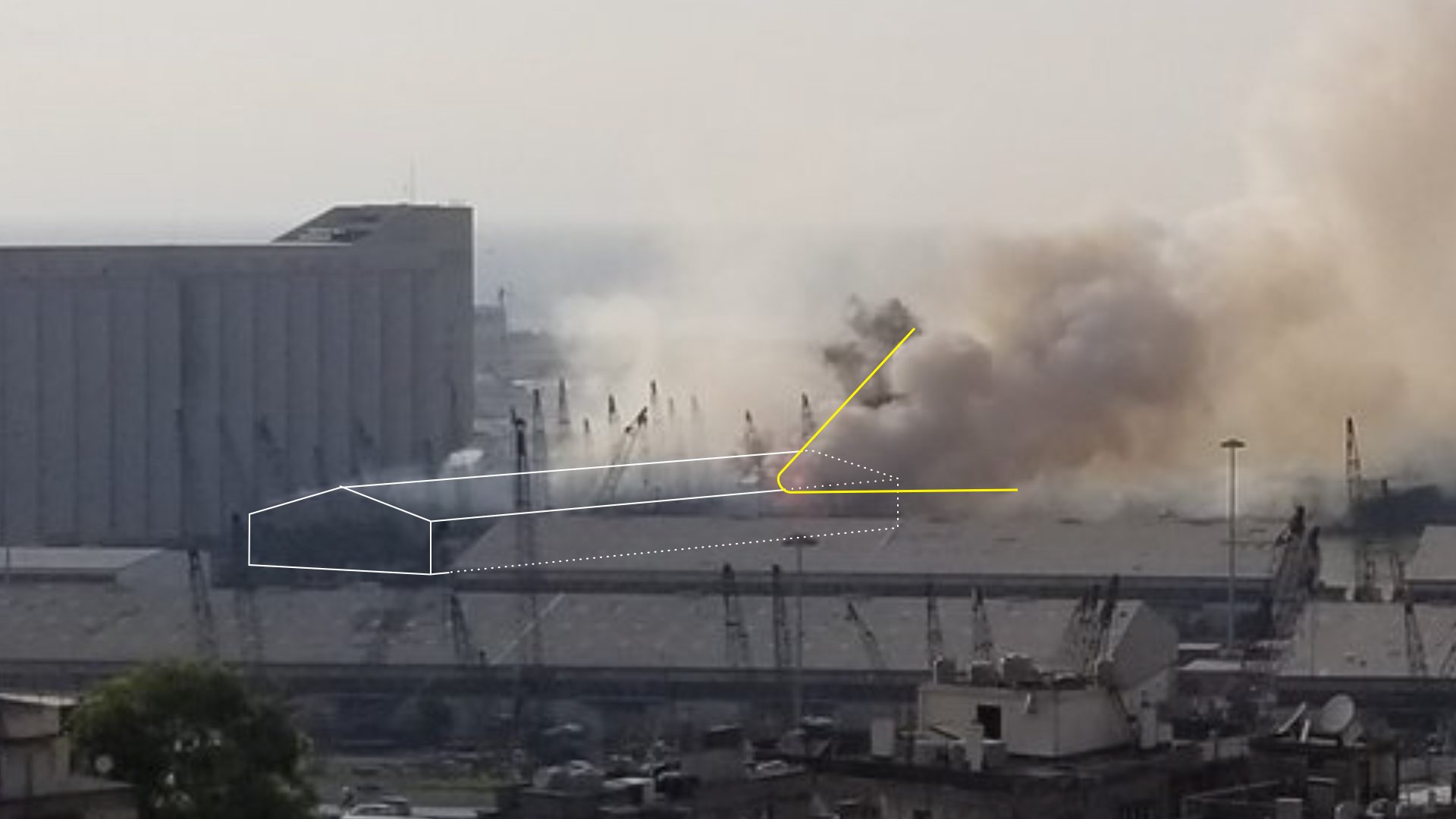
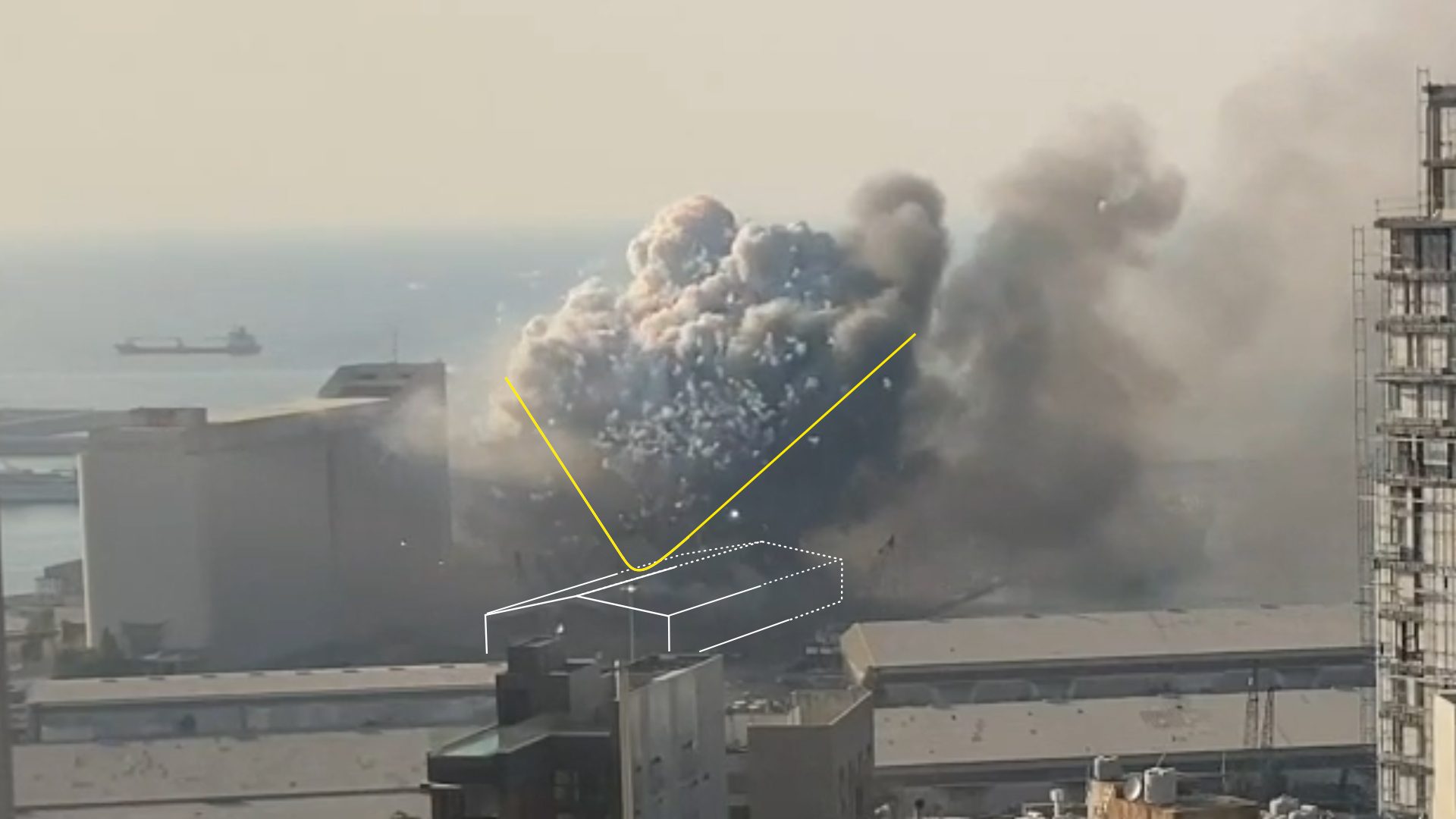
We collected and examined images and videos taken by witnesses of the blast and shared on different platforms online. Using details about the smoke, fires, and explosions, we were able to geolocate each piece of footage and calculate the camera’s cone of vision. We places the cameras in the open source 3D model of the city , which we had adjusted to match the necessary precision. This helped us to identify the precise location of the source of the smoke plume within Warehouse 12 in each frame of each footage.
Smoke plumes are continuously transforming and have a unique shape at every moment. We used the shape of the plumes to synchronize those videos we found without metadata.
We identified four separate smoke plumes emanating from different parts of the warehouse within the space of fourteen minutes. Each of these smoke plumes, with their distinct shape and colour, provide indications as to the arrangement of goods in the warehouse, and the way the fire developed.
Using photographs taken in January 2020 (first published by the New York Times) and a video from December 2019 (released by Al Jadid), we mapped the interior of the warehouse and estimated the area occupied by 2,750 bags of ammonium nitrate.
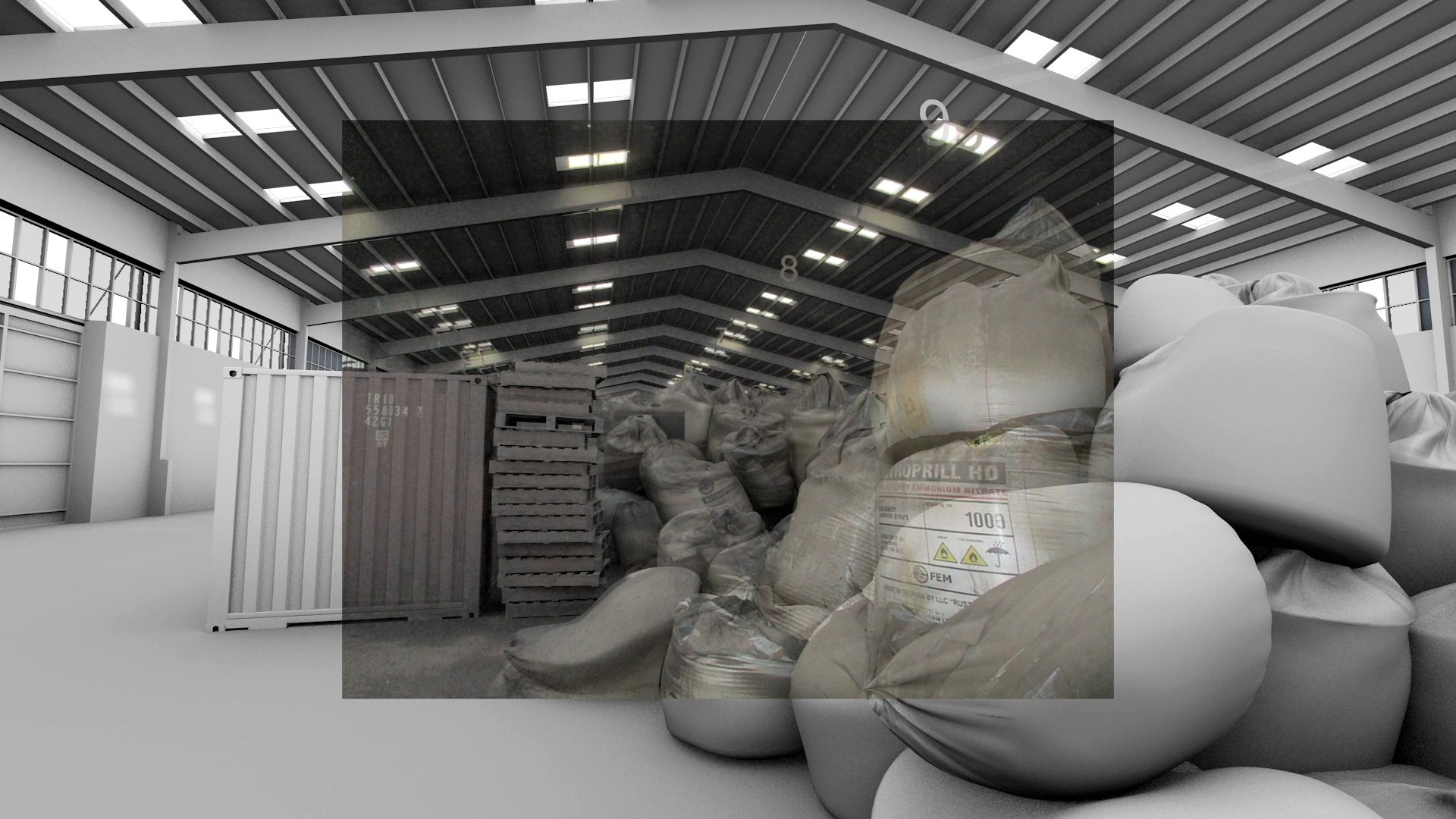
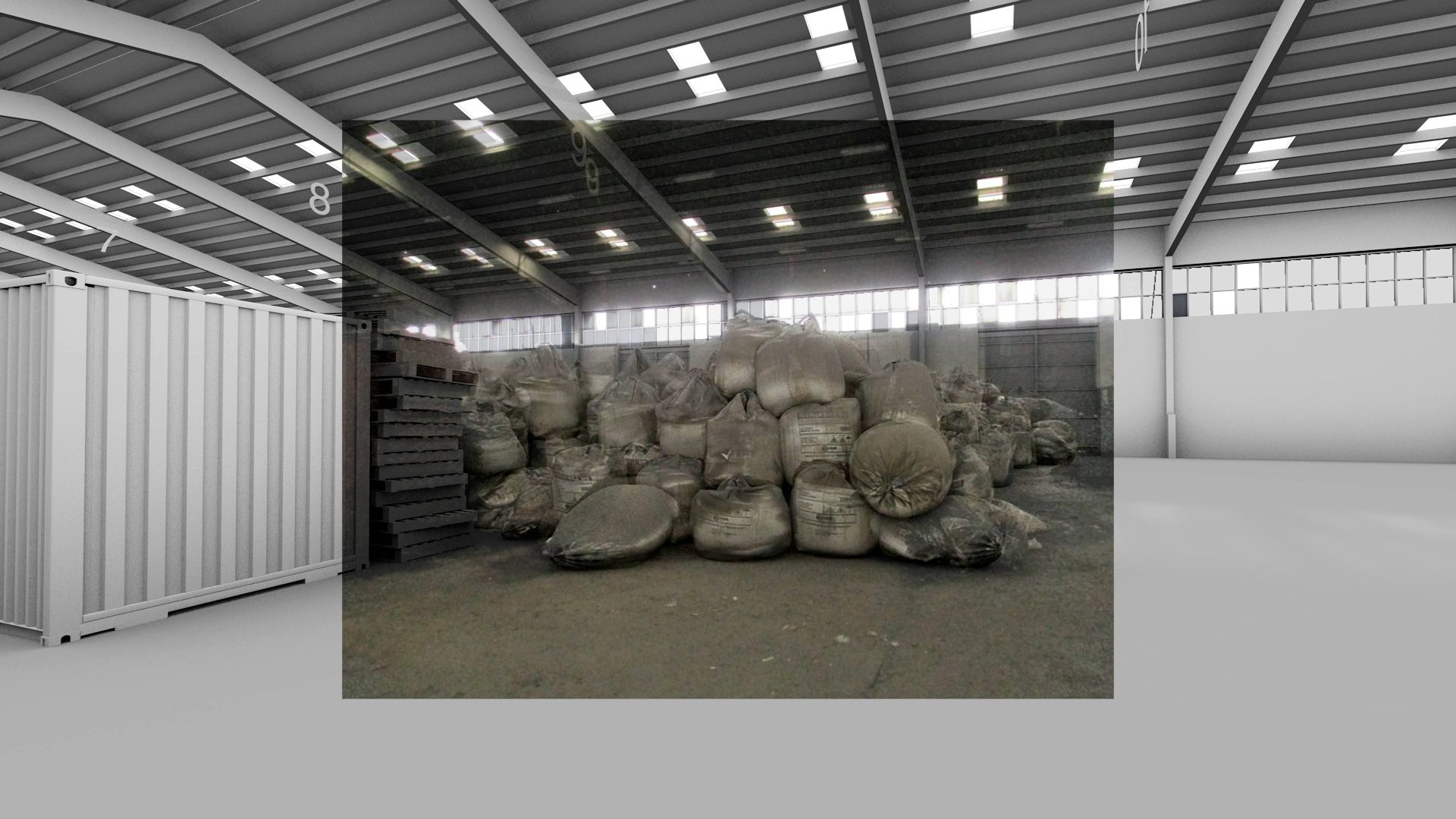
Some of the materials reportedly stored inside the warehouse, including the twenty-three tonnes of firework and 1000 car tires are not visible in the available images and videos.
With Gareth Collett CBE, an explosives expert for the UN, we mapped the different kinds of smoke emanating from the warehouse. An analysis of the colour and location of the source of smoke plumes and fires helped estimate which material were burning at which time and roughly where in the buildings they were located.
Mr Collett contended that from an engineering perspective, the arrangement of goods within the building was the spatial layout of a makeshift bomb on the scale of a warehouse, awaiting detonation.
According to Collett, ‘Ammonium Nitrate is extremely difficult to detonate by fire alone. However, when confined and contaminated, this… can lead to catastrophic detonation. It is sensitised by the presence of even the smallest quantity of additives and hence should be separated.’
Comparison
Internationally accepted regulations such as British and Australian standards, set out the ways sacks of AN should be stored in separate batched. our study suggest that this was not followed.
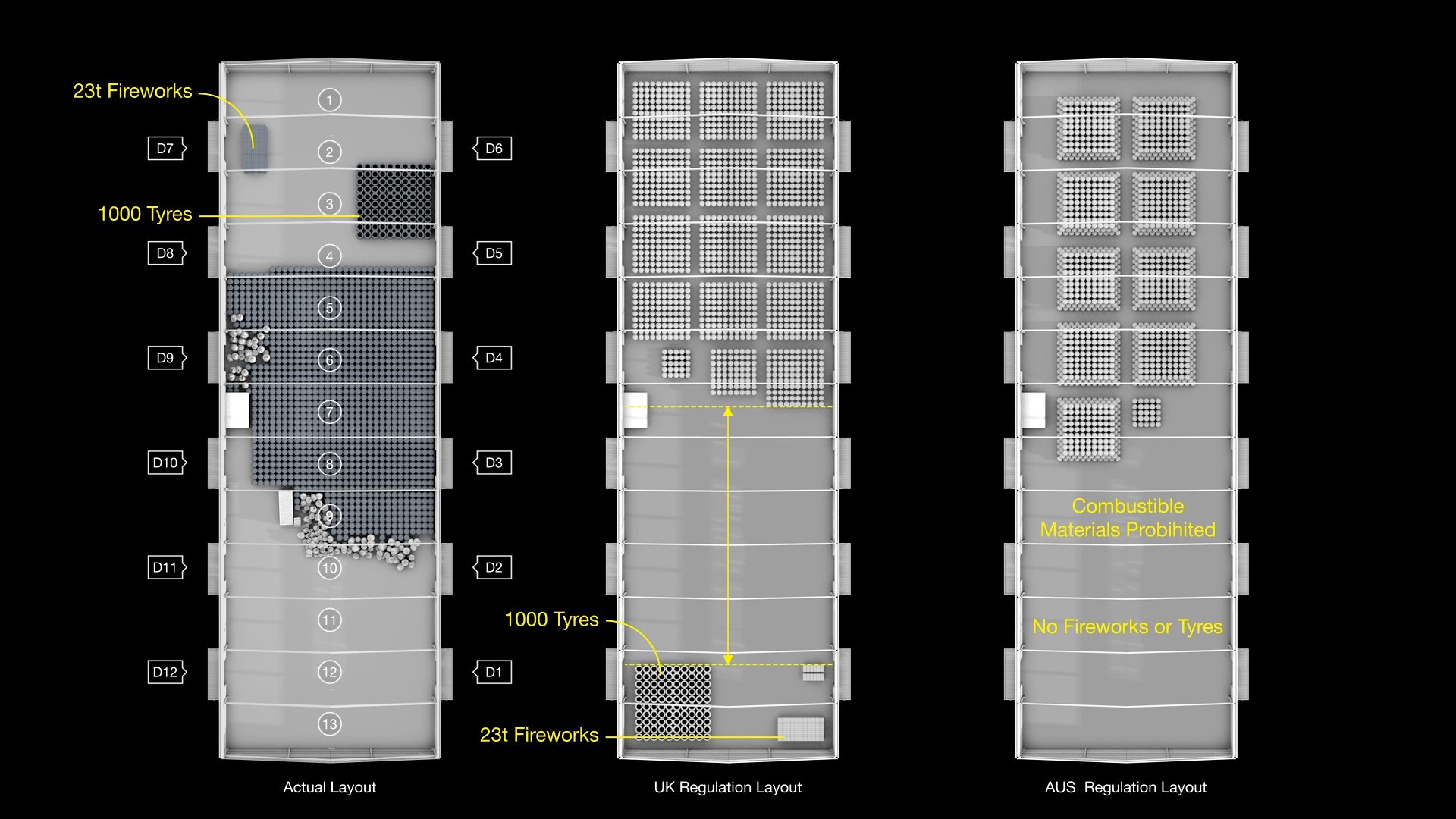
These regulations also prohibit the storage of combustible or explosive materials such as tyres or fireworks, in proximity to ammonium nitrate, again, such guidance was not followed.
This fact highlights the multiple layers of state negligence which led to this tragic explosion.