

- Date of Incident
- 04 May 2019 – 05 May 2019
- Location
- Evros/Meriç river, Greece/Turkey
- Publication Date
- 08 Feb 2020
- In Partnership With
- HumanRights360
- Additional Funding
- Open Society Foundations (OSF)
- Collaborators
- HumanRights360, Greek Council for Refugees
- Methodologies
- 3D Modelling, Geolocation, Fieldwork
- Forums
- Legal Process, Media
- Exhibitions
- This World is White No Longer: Views of a Decentered World, No Access, düsseldorf photo+ Biennale for Visual and Sonic Media: Ways of Seeing
This investigation is part of a broader project on cases of pushbacks across the Evros/Meriç river. Other investigations include:
‘Pushbacks Across the Evros/Meriç River: Analysis of video evidence’
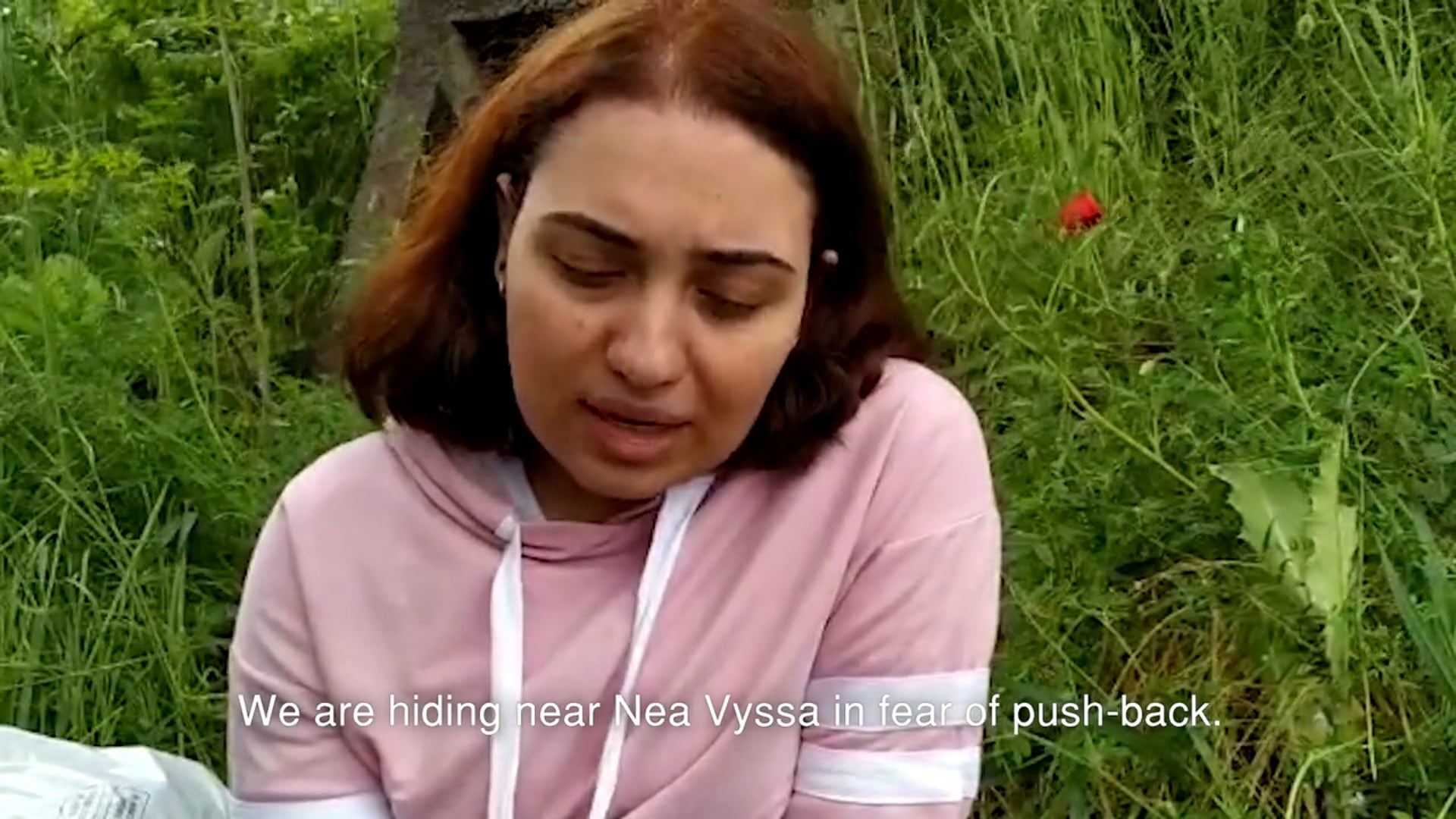
A group of three Turkish political asylum seekers entered Greek territory on 4 May 2019 via the Evros/Meriç river. This investigation verified the group’s entry, their illegal detention in Greece, and their subsequent ‘pushback’ to Turkey on the 5 May 2019, where they were arrested and imprisoned by the Turkish authorities.
Ayşe Erdoğan, Kamil Yildirim, and Talip Niksar had been persecuted by the Turkish government on allegations of involvement in Fettulah Gulen’s movement. They recorded a video appealing for protection against a possible forced return to Turkey.
"We are Turkish political asylum seekers. We fled persecution back in Turkey and crossed Evros on May 4 at 5 am. We are hiding near Nea Vyssa in fear of push-back. We urge the United Nations and Greek authorities to protect us from being pushed back." pic.twitter.com/VGtedENSDo
— Zübeyir Koçulu (@zubeyirkoculu) May 4, 2019
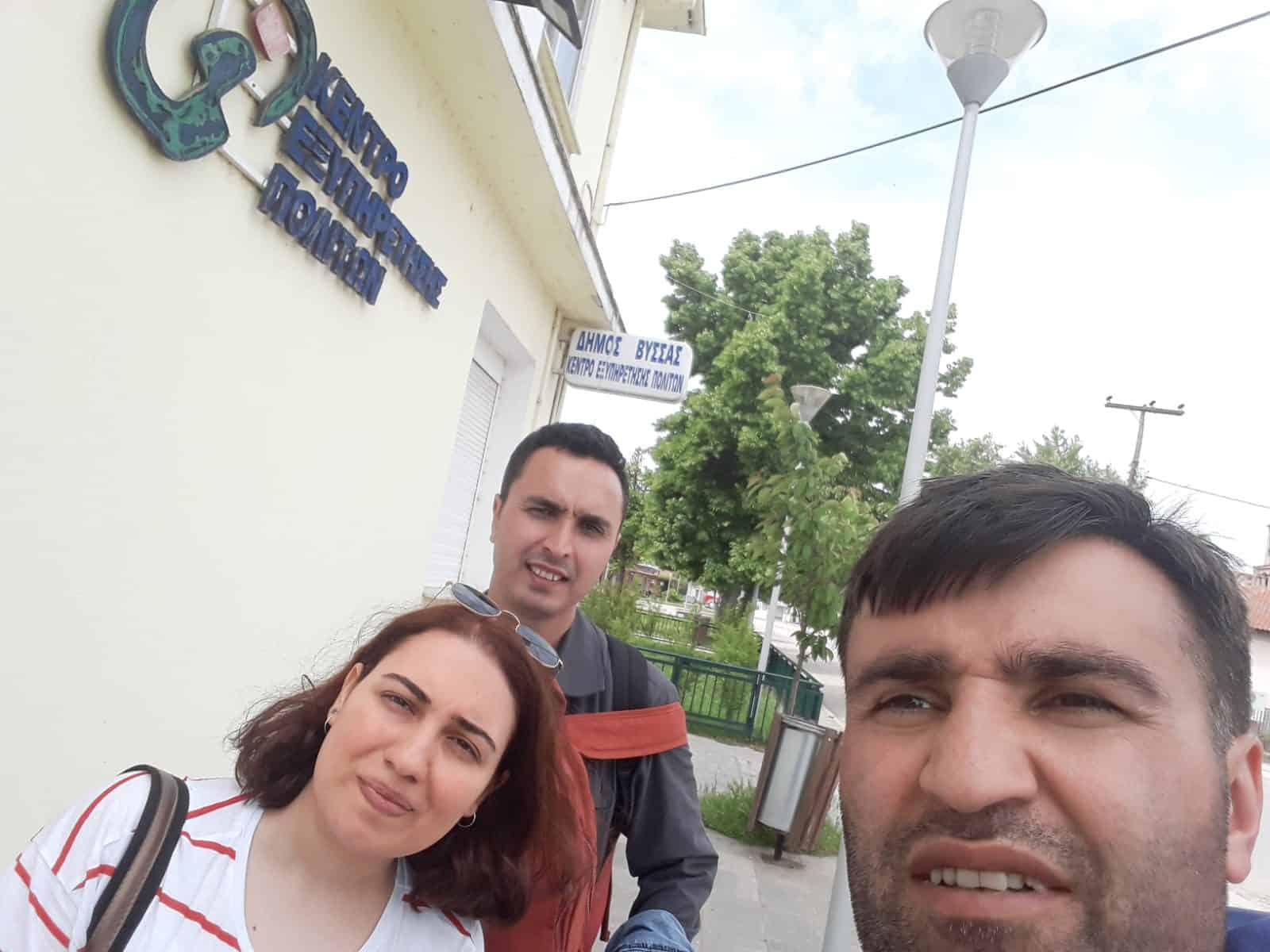
The group also digitally recorded their journey via Whatsapp. In collaboration with HumanRights360 we obtained these text messages, location pins, photographs and videos, and we analyzed them to confirm the group’s presence on Greek soil, prior to their arrest and subsequent imprisonment by the Turkish authorities. We found that Ayşe, Kamil and Talip were within Greek territory and in a police station, where the group repeatedly attempted to apply for asylum. Their ongoing imprisonment is therefore a direct result of the Greek authorities contravening the principle of non-refoulement, which deems that a person cannot be returned to a place where their freedom and safety will be threatened.
Ayşe Erdoğan’s case corroborates the many testimonies of migrants crossing the Evros/Meriç river from Turkey to Greece, who have testified to being detained, beaten, and pushed back across the river to Turkey, by unidentified masked men and in full secrecy, without being granted access to asylum procedures. The Greek and EU authorities systematically deny any wrongdoing and refuse to investigate these reports.
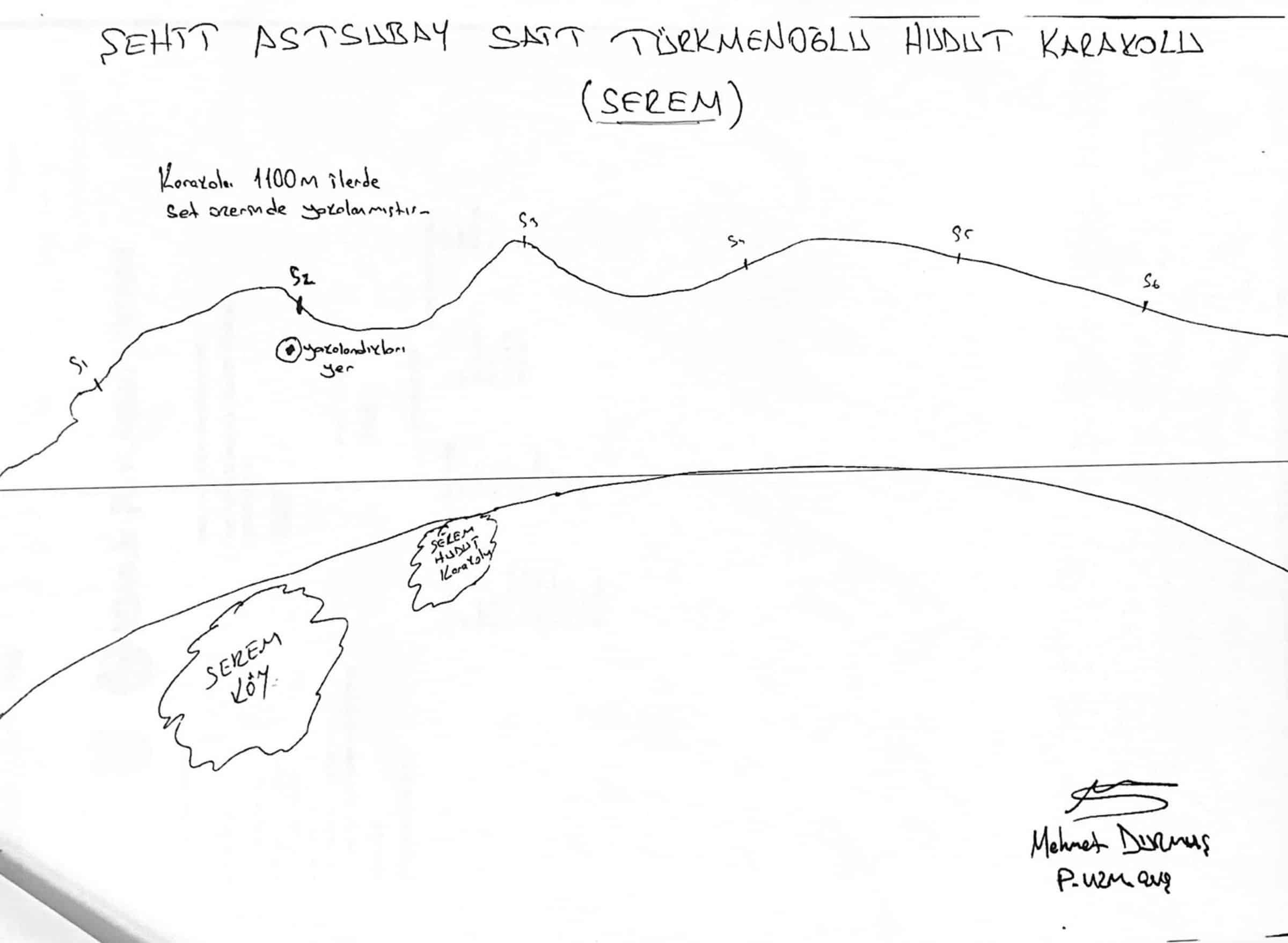
The Evros/Meriç river delineates the only ‘land’ border between Greece and Turkey. Spanning from the Trilateral border with Bulgaria in the North, where the river is called Maritsa, to the Aegean Sea in the South. This so-called ‘natural’ border has in recent years been incorporated into a broader ecosystem of border defence. Its riverine characteristics have been weaponised to deter and kill migrants attempting to cross it.
For independent researchers, the militarisation of this border region makes access extremely difficult. A ‘buffer zone’ restricting civilian access to the border runs alongside both banks of the river. Detention centres and border guard stations are often located within this buffer zone, keeping detainees out of sight and without access to legal help.
Witnesses describe having their phones, documents and possessions confiscated, and often thrown into the river, suggesting an operation carefully designed to obscure all possible evidence of human rights violations.
The results of this investigation have been submitted to the State Prosecutor of Orestiada, Evros, the State Prosecutor of Thrace, and the Greek Ombudsman.
Updates
Update — 7 January 2025
In January 2025 the European Court for Human Rights published its judgement on Ayşe Erdoğan’s case, concluding that ‘the applicant’s allegations were established beyond reasonable doubt’ and recognising that she had been arbitrarily detained and ‘pushed back’ from Greece to Turkey. Furthermore, in its judgment the court acknowledged that there has been a systematic practice of pushbacks by Greece. Citing our investigation, the verdict reads:
256. The Court is mindful of the fact that the Government do not contest the conclusions of the investigation report into the applicant’s alleged push-back drawn up by the Forensic Architecture research group and dated 2 May 2024 (paragraphs 92 and 114 above). It notes that, on the basis of a detailed spatio-temporal analysis, that report, thirty-six pages long, concludes that all the audiovisual material is authentic and verifiable and that it is possible to establish the veracity of the applicant’s account of her presence in Greece and her subsequent push-back on the alleged dates.
257. In view of the foregoing, the Court considers that the audiovisual material produced before it by the applicant clearly corroborates her account.